Prep time: 15 minutes
Cook time: 20 minutes
Total time: 35 minutes
Servings: 4
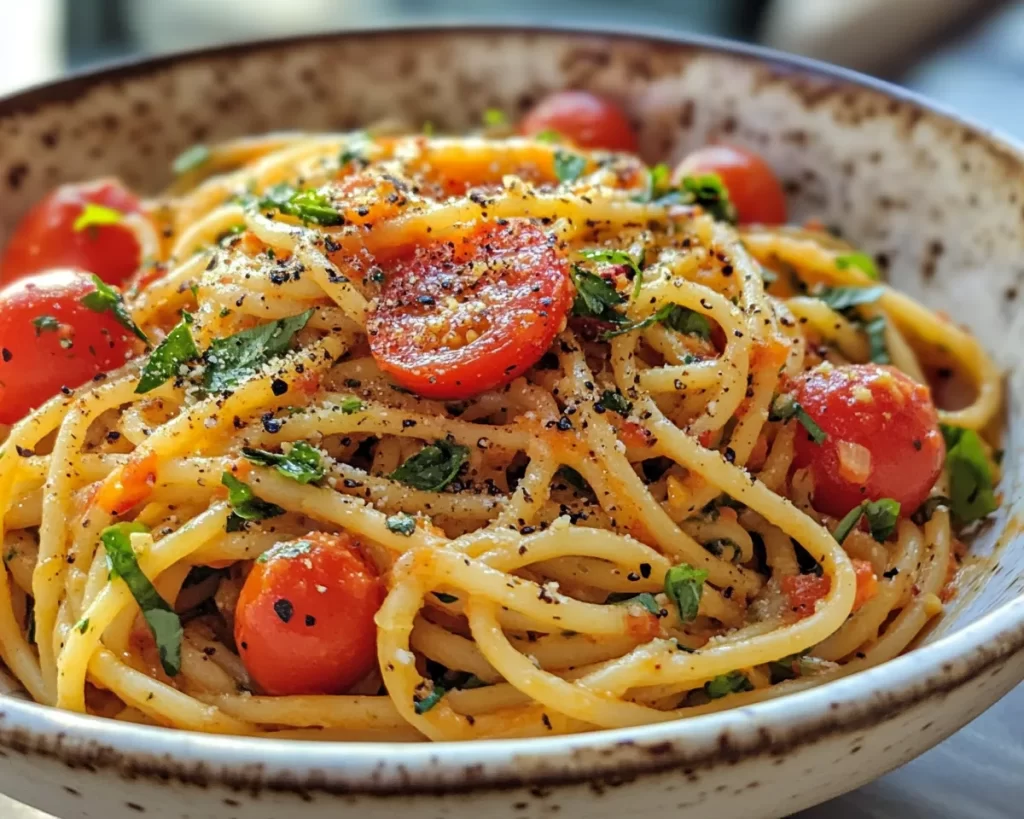
Imagine a vibrant, colorful plate that captures the essence of spring. As you bring this Healthy Pasta Primavera to the table, you’ll not only enjoy a delightful dish but also embrace the freshness of seasonal vegetables. This recipe is not just a meal; it’s an experience that invokes memories of family dinner nights where laughter echoed, and the scent of fresh herbs filled the air. If you’re looking for an easy yet impressive dish that embodies the spirit of spring, you’ve found it right here.
In this article, you will learn how to make a Healthy Pasta Primavera that is not only delicious but also incredibly versatile. It’s a dish that can easily accommodate your dietary preferences and is perfect for busy weeknights or casual gatherings with friends. Discover the unique flavors, essential tips for cooking, and variations that will make this dish your go-to recipe.
What Is Spring Dinners: Healthy Pasta Primavera (Easy)?
Pasta Primavera is a delightful Italian dish that celebrates the fresh produce of the season. Its genesis can be traced back to the late 1970s when it made a fashionable appearance in Italian-American restaurants. Unlike traditional pasta dishes that may focus heavily on meat or sauce, this dish showcases a colorful variety of vegetables, making it a healthier option that still packs a punch of flavors.
The textures in Pasta Primavera are as varied as its ingredients. As you twirl your fork around the pasta, the crispness of the vegetables melds beautifully with the al dente pasta. You can expect a light yet satisfying dish that tantalizes your taste buds with the freshness of ingredients. From bell peppers and cherry tomatoes to zucchini and asparagus, this dish showcases the season’s bounty and allows each ingredient to shine.
Flavor-wise, Pasta Primavera harmonizes a medley of savory, sweet, and earthy notes. The combination of sautéed garlic, olive oil, and fresh herbs elevates the dish and ensures every bite is a celebration of spring. This meal not only fills your belly but also fuels your body with essential nutrients.
Why You’ll Love This
One of the main reasons you will fall in love with Healthy Pasta Primavera is its incredible taste, paired with its simplicity. Traditional pasta dishes can be hearty, often feeling heavy and indulgent. In contrast, this recipe offers a lightness that allows you to enjoy pasta guilt-free. The vibrant colors and freshness create an appealing aesthetic, making this dish as inviting to the eyes as it is to the palate.
Moreover, this dish is highly versatile, allowing you to customize it according to what you love or have on hand. Whether you’re trying to incorporate more vegetables into your diet or looking for a budget-friendly option to feed your family, Pasta Primavera fits the bill. It is easy to prepare, taking only a little over half an hour from prep to plate.
Are you worried about dietary restrictions? No problem! This pasta dish is easily adaptable for vegans, vegetarians, or gluten-free diets. Think of it as a template that you can tweak to suit your needs, making it a recipe you can return to time after time. And don’t let the elegant presentation fool you; it’s a dish that anyone, including culinary beginners, can master!
Ingredients You’ll Need
- 8 oz of whole wheat or gluten-free pasta
- 1 cup of cherry tomatoes, halved
- 1 cup of bell peppers (any color), sliced
- 1 cup of zucchini or summer squash, sliced
- 1 cup of asparagus, trimmed and cut into pieces
- 3 cloves of garlic, minced
- 2 tablespoons of olive oil
- 1/4 cup of fresh basil, chopped
- Salt, to taste
- Pepper, to taste
- Parmesan cheese, for serving (optional)
Each ingredient in this dish has a specific role to play. The pasta serves as the base, providing a hearty texture that complements the vibrant vegetables. Whole wheat or gluten-free pasta options enhance the nutritional value while making this dish suitable for different dietary requirements.
Next, the vegetables: cherry tomatoes add a wonderful burst of sweetness, while bell peppers contribute both color and crunch. Zucchini and summer squash offer a lovely softness, soaking up the flavors of the dish, and asparagus adds a unique, slightly nutty taste. Garlic infuses the oil with aromatic goodness that tempers the sweetness of the veggies.
Olive oil is not just a cooking medium; it enriches the dish with healthy fats and keeps everything together. Fresh basil, when added at the end, provides a fragrant and aromatic quality. Lastly, using salt and pepper helps in enhancing the natural flavors. If you like cheesy notes, a sprinkle of Parmesan cheese at the end can elevate this dish even further—just make sure to opt for a dairy-free alternative if you’re sticking to a vegan plan.
How to Make
Now that you have your ingredients ready, let’s get cooking! Follow these simple steps to create your Healthy Pasta Primavera:
- Start by bringing a large pot of salted water to a boil. Add in your pasta of choice and cook according to package directions until al dente. Remember to stir the pasta occasionally to prevent it from sticking. Once cooked, reserve about 1/2 cup of the pasta water for later use, and then drain the pasta. Set it aside.
- In a large skillet, heat the olive oil over medium heat. Once hot, add the minced garlic and sauté for about 1 minute until fragrant. Take care not to let the garlic burn, as it can turn bitter. You’ll start to notice a delicious aroma filling your kitchen!
- Add in the cherry tomatoes, bell peppers, zucchini, and asparagus. Stir them into the pan, ensuring they all get coated in that beautiful garlic oil. Sauté the vegetables for about 5-7 minutes. You want them to be tender but still retain a slight crunch. This step is crucial as it brings out the natural sweetness of the vegetables while keeping the freshness intact.
- Once the vegetables are cooked to your liking, add the drained pasta into the skillet with the sautéed veggies. Pour a little bit of the reserved pasta water into the skillet—about 1/4 cup—to help marry the flavors and create a light sauce. Toss everything together gently. The heat from the pasta will ensure everything is heated through and that the vegetables and pasta are evenly distributed.
- Lastly, add in your chopped basil, and season with salt and pepper as needed. Toss once more to mix everything well. By adding the basil at the end, you ensure it retains its bright green color and aromatic Essence.
- Serve hot, garnished with optional Parmesan cheese if you choose. Dig in and enjoy your fresh, homemade Pasta Primavera!
Cooking tip: If you want to add protein to your dish, feel free to include grilled chicken, shrimp, or even chickpeas to enhance the dish further.
Variations & Substitutions
Vegan Pasta Primavera: To adapt this dish for a vegan diet, simply omit the Parmesan cheese or use a dairy-free alternative. You can also enhance protein content by adding chickpeas or tofu, which soak up flavors and add a satisfying texture.
Gluten-Free Pasta Primavera: For those who need to avoid gluten, substituting traditional pasta with gluten-free varieties, such as chickpea or quinoa pasta, works beautifully without sacrificing flavor or texture. Just ensure that the cooking time aligns with the pasta you’re using to achieve that desired al dente bite.
Spicy Pasta Primavera: If you enjoy a bit of heat, consider adding red pepper flakes during the sauté process. This variation gives the dish an extra kick and pairs well with the sweetness of the vegetables, enhancing the overall flavor profile. Mimicking a spicy arrabbiata sauce, you can finish with a drizzle of hot sauce if you prefer more heat.
Roasted Pasta Primavera: For a deeper flavor experience, consider roasting your vegetables instead of sautéing them. Toss them in olive oil, salt, and pepper, and roast in a preheated oven at 400°F for about 20 minutes. The roasting process enhances the natural sugars of the vegetables, providing an entirely different delicious experience that you’ll love.
Seasonal Variations: Depending on when you make this dish, feel free to adjust the vegetables based on what’s in season. In summer, consider using corn and cherry tomatoes, while fall may allow you to incorporate sweet potatoes or even kale. This flexibility means you can adapt the recipe all year round, keeping it fresh and interesting for your palate.
Common Mistakes to Avoid
One common mistake in cooking Pasta Primavera is cooking the vegetables too long. Overcooked veggies lose their vibrant color and crunch, becoming mushy and unappetizing. Aim for a tender yet crisp texture, ensuring you sauté just enough to bring out that sweet, natural flavor without losing their freshness.
Another common error is neglecting to save some of that precious pasta water. This starchy liquid helps in binding your pasta and sauce, creating a luxurious and creamy mouthfeel. It’s one of the secrets to achieving that perfect consistency in your dish, so make sure to reserve it!
Lastly, don’t skimp on seasoning. A common pitfall is under-seasoning the dish. Depending on your taste and the ingredients you are using, you may need to adjust salt and pepper levels accordingly. Tasting as you go is crucial; it helps you understand how flavors evolve and elevate your dish.
Storage, Freezing & Reheating Tips
If you find yourself with leftovers of your Healthy Pasta Primavera, no need to fret! Store any uneaten portions in an airtight container in the refrigerator for up to 3 days. For best results, you may want to keep the pasta and vegetables separate initially, as the pasta can absorb moisture and become mushy over time.
You can also freeze this dish if you wish to enjoy it later. However, the texture of the vegetables may change slightly once thawed. To freeze, place the Pasta Primavera in a freezer-safe container and use within 1-2 months. When ready to consume, thaw in the refrigerator overnight, then reheat in a skillet over low heat. You may need to add a splash of water or olive oil to revive the dish’s texture.
For reheating, you can also place the pasta in the microwave, but be cautious not to overheat. A couple of minutes should suffice. Regardless of the method you choose, always aim to heat it just enough that it’s warm throughout without overcooking the veggies.
Frequently Asked Questions
Can I use frozen vegetables in this recipe?
Absolutely! While fresh vegetables offer the best flavors and textures, frozen vegetables can be a convenient substitute. Thaw them first and remove any excess moisture before incorporating them into the dish. Be cautious about cooking times, as frozen veggies may require less time in the pan.
Is Pasta Primavera healthy?
Yes! This dish is full of fresh vegetables, which are rich in vitamins, minerals, and fiber. Using whole-grain or gluten-free pasta also adds nutritional benefits. You can make it even healthier by reducing the amount of oil or cheese, making this a balanced meal that’s great for any diet.
How do I make this dish gluten-free?
To make Pasta Primavera gluten-free, simply substitute traditional pasta with gluten-free pasta options. Many stores offer excellent alternatives made from legumes or rice that retain a wonderful texture. Be sure to check ingredient labels to avoid any unwanted additives.
Can I prepare this dish ahead of time?
Yes, you can prepare many of the elements ahead of time. Cook the pasta in advance, sauté the vegetables, and store them separately. When you’re ready to eat, simply combine everything in a skillet, warm it through, and add fresh basil for a quick meal. It’s perfect for meal prep!
What herbs can I substitute for basil?
While fresh basil is a classic choice for Pasta Primavera, you can experiment with other fresh herbs like parsley, thyme, or cilantro, depending on your taste preferences. Remember that each herb brings its unique flavor to the dish, so choose one that complements your palate!
Conclusion:
The Healthy Pasta Primavera recipe is a celebration of spring, a dish that is both nourishing and satisfying, fulfilling your cravings without compromising your health goals. Its unique blend of seasonal vegetables and versatility means you can enjoy it all year. Don’t hesitate to make it your own: switch ingredients, add proteins, or modify flavors based on your family’s preferences.
I encourage you to share this recipe with your loved ones. Try it for a family dinner, a cozy meal prep, or even a festive gathering. The beauty of this dish lies in how it brings people together, and you’ll want to make it again and again! Embrace the flavors of spring and enjoy every bite!