Prep time: 20 minutes
Cook time: 40 minutes
Total time: 1 hour
Servings: 8
Spring is the perfect season for gathering friends and family around the table, sharing delicious meals that celebrate the season’s vibrant flavors. If you are planning a gathering and want to impress your guests, you need recipes that are not only tasty but also fresh and visually appealing. In this article, we’ll explore “Spring Dishes for a Crowd: 5 Fresh Ways to Impress Guests.” Each recipe is designed with spring in mind, using seasonal ingredients that offer a delightful eating experience and foster a communal atmosphere. So roll up your sleeves and let’s create some magic in the kitchen!
What Is Spring Dishes for a Crowd: 5 Fresh Ways to Impress Guests?
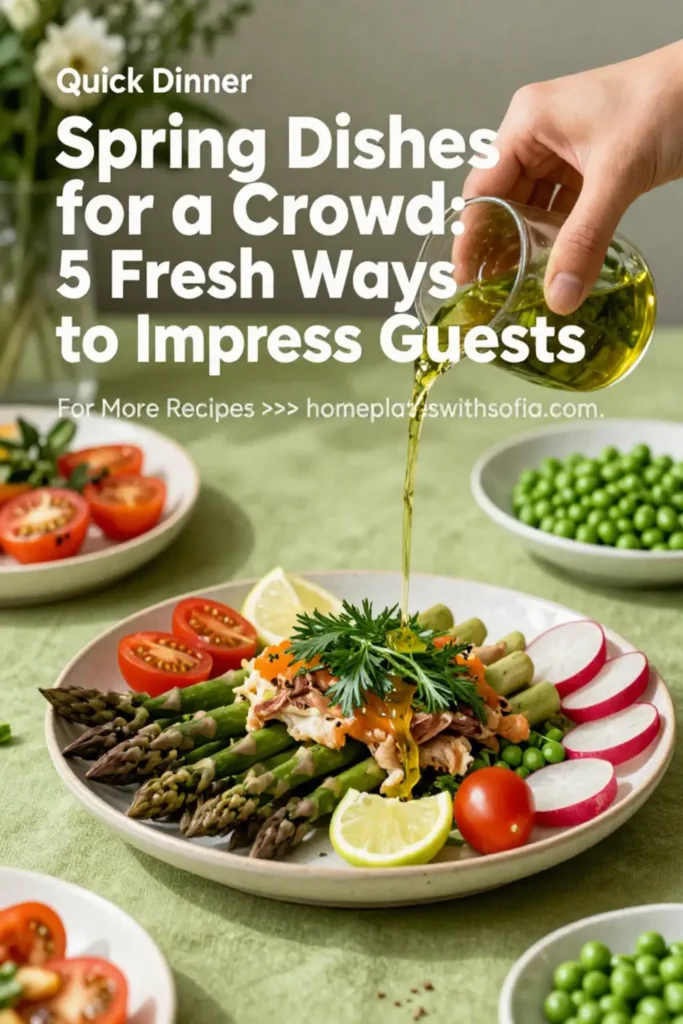
The concept of spring dishes for a crowd revolves around the idea of bringing people together over food that is appealing both in flavor and presentation. Seasonal ingredients, such as asparagus, peas, and fresh herbs, shine during this time of year and add brightness to any gathering. Each dish we’ll cover is made with ingredients that are easy to find when spring arrives, allowing you to showcase nature’s bounty while also creating meals that are fulfilling and satisfying.
In this collection, you’ve got five standout dishes that cater to different palates while maintaining a cohesive spring theme. Whether you are feeding a group of friends during a weekend brunch or hosting a festive family dinner, these recipes are crafted to help you shine as a host and impress everyone at the table.
Why You’ll Love This
There are plenty of reasons to love these spring dishes. First, they celebrate seasonal ingredients, providing you with fresh and nutritious meals. Second, these recipes are designed to be prepared in greater quantities, making them ideal for gatherings. With flavors that complement each other and appeal to nostalgic springtime memories, your guests will appreciate the thoughtfulness and care you’ve put into your cooking.
Furthermore, these recipes incorporate vibrant colors and textures, elevating the dining experience. From crispy roasted vegetables to refreshing salads, each dish provides an exciting contrast that can stimulate the senses and make eating an adventure.
Ingredients You’ll Need
- Asparagus: 1 pound, trimmed and cut into 2-inch pieces – Asparagus brings a crunchy texture along with a touch of elegance, perfect for spring.
- Quinoa: 1 cup, rinsed – Quinoa is a high-protein grain that adds a nutty flavor and satiety to your dishes.
- Cherry tomatoes: 2 cups, halved – These add a burst of sweetness that complements the savory components of the recipe.
- Fresh herbs (basil and mint): 1/2 cup chopped – These herbs will enhance flavor profiles and add freshness.
- Olive oil: 1/4 cup – Extra-virgin olive oil ties all the ingredients together with its rich flavor.
- Garlic: 4 cloves, minced – Garlic elevates the dish with its aromatic touch.
- Lemon juice: from 2 lemons – This adds acidity and brightness, essential for balancing flavors.
- Salt and pepper: to taste – Essential seasonings for ensuring your dish is perfectly seasoned.

How to Make
- Preheat the oven to 400°F (200°C). This is essential for roasting the vegetables to achieve that nice char and deep flavor. Meanwhile, gather all your ingredients and prepare your workspace, so everything is within easy reach.
- On a baking sheet, combine the asparagus and cherry tomatoes, drizzle them with olive oil, and sprinkle with salt, pepper, and minced garlic. Toss everything together carefully so the vegetables are well-coated with oil and seasoning. This step ensures each bite will be flavorful and succulent.
- Roast the vegetables in the oven for about 20 minutes or until they are tender and slightly caramelized. Keep an eye on them to prevent burning, as the sugars in the tomatoes can brown quickly.
- While the vegetables are roasting, prepare the quinoa. In a saucepan, combine quinoa and 2 cups of water, then bring it to a boil. Once boiling, reduce the heat, cover, and let it simmer for about 15 minutes or until all the water is absorbed. Fluff it with a fork for a light and airy texture once done.
- Once the veggies are cooked and the quinoa is fluffy, combine them in a large bowl. Squeeze fresh lemon juice over the mix and add the chopped herbs. This step will enhance the dish’s flavors, making it even more aromatic and appealing.
- Adjust the seasoning as needed, then serve warm or at room temperature. You can garnish with extra herbs for an appealing presentation, enhancing the dish’s visual and aromatic appeal.
Variations & Substitutions
Quinoa and Rice Blend: If you want to diversify your grain option, substitute half of the quinoa with brown rice. This will incorporate a different texture while also providing additional fiber. A blend of grains adds both visual appeal and nutritional diversity to your dish.
Vegetable Medley: Feel free to include other spring vegetables such as bell peppers, peas, or zucchini. These will not only brighten the dish further but also introduce new flavors and textures, allowing for creativity in how you cater to your guests’ preferences.
Herb Swap: You may replace basil and mint with other herbs like dill or parsley, depending on your taste preferences or what you have accessible. Each herb brings its unique character and will influence the overall taste of the dish, so choose ones you and your guests enjoy.
Dressing it Up: Adding a dollop of Greek yogurt or a drizzle of balsamic glaze as a finishing touch can enhance flavor and provide a creamy contrast to the crunchy vegetables. Additionally, these elements provide a beautiful visual, making your dish even more inviting.
Common Mistakes to Avoid
One common mistake is overcrowding the baking sheet when roasting vegetables. If there are too many pieces close together, they will steam instead of roast, resulting in a soggy texture rather than the desired crispiness. To avoid this, make sure to space out your vegetables for optimal cooking.
Another mistake is undercooking the quinoa. It’s crucial to follow package instructions and let it simmer until all the water is absorbed. Undercooked quinoa will lead to a hard and unpleasant texture. Always let it sit covered for a few minutes post-cooking for best results.
Lastly, neglecting to taste and adjust seasonings throughout the cooking process can lead to bland dishes. Always take the time to taste your preparations and adjust salt, pepper, and acids according to your taste preferences. This simple step can elevate your dish from good to outstanding.
Storage, Freezing & Reheating Tips
Leftovers can be stored in an airtight container in the refrigerator for up to three days. When reheating, it’s best to use a skillet over medium heat to retain the texture of the vegetables. Stir frequently to ensure an even reheating process.
For longer storage, you can freeze the combined quinoa and roasted vegetables. Store in freezer-safe containers, where they can last for up to three months. When ready to eat, thaw in the refrigerator overnight, and reheat using the previous skillet method for better results.
If you choose to freeze, consider leaving the herbs out and adding them fresh during the reheating phase. Fresh herbs bring a burst of flavor that can diminish with freezing.
Frequently Asked Questions
Can I make this dish ahead of time?
Yes, this dish can be made ahead of time. You can roast the vegetables and cook the quinoa the day before your event, storing them separately in the refrigerator. Combine them just before serving for the best fresh flavor.
What if I don’t have quinoa?
If quinoa isn’t available, substitute it with other grains such as bulgur, farro, or even brown rice. Each grain will bring its unique flavor and texture to the dish, while still complementing the roasted vegetables beautifully.
Are these recipes suitable for vegetarians?
Absolutely! All the recipes included here are plant-based, making them suitable for vegetarians and vegans alike. They highlight the freshness of seasonal vegetables and grains while providing nutritious and hearty meal options for everyone.
Can I add protein to these dishes?
Certainly! If desired, grilled chicken, shrimp, or chickpeas can be added to these dishes. This addition not only makes the meal more filling but also provides additional protein, catering to those who may be looking for heartier options.
What should I serve with these dishes?
These spring dishes pair nicely with light protein options, such as grilled fish or chicken. Alternatively, a crusty artisan bread or a refreshing green salad complements the meal perfectly, creating a well-rounded, delightful dining experience.
Conclusion:
In summation, “Spring Dishes for a Crowd: 5 Fresh Ways to Impress Guests” provide an opportunity to enjoy the essence of the season. By using fresh ingredients and vibrant flavors, you can create dishes that enhance your gatherings and leave a lasting impression on your guests. With the right recipes, a little creativity, and careful preparation, you’ll establish a memorable dining experience that everyone will cherish. So, gather your loved ones and celebrate the beautiful flavors of spring!