Prep time: 10 minutes
Cook time: 20 minutes
Total time: 30 minutes
Servings: 4 servings
Spring onions, also known as green onions, are a delightful and versatile addition to any kitchen. They not only enhance the flavor of dishes but are also packed with nutrients. Whether you’re looking to add a fresh zest to your meals or discover a new way to grow your own vegetables at home, mastering the cultivation of spring onions can be incredibly rewarding. In this guide, you’ll discover five easy tips for thriving growth, allowing you to enjoy their crisp texture and distinctive taste right from your garden or kitchen.
What Is Spring Onion Plant: 5 Easy Tips for Thriving Growth?
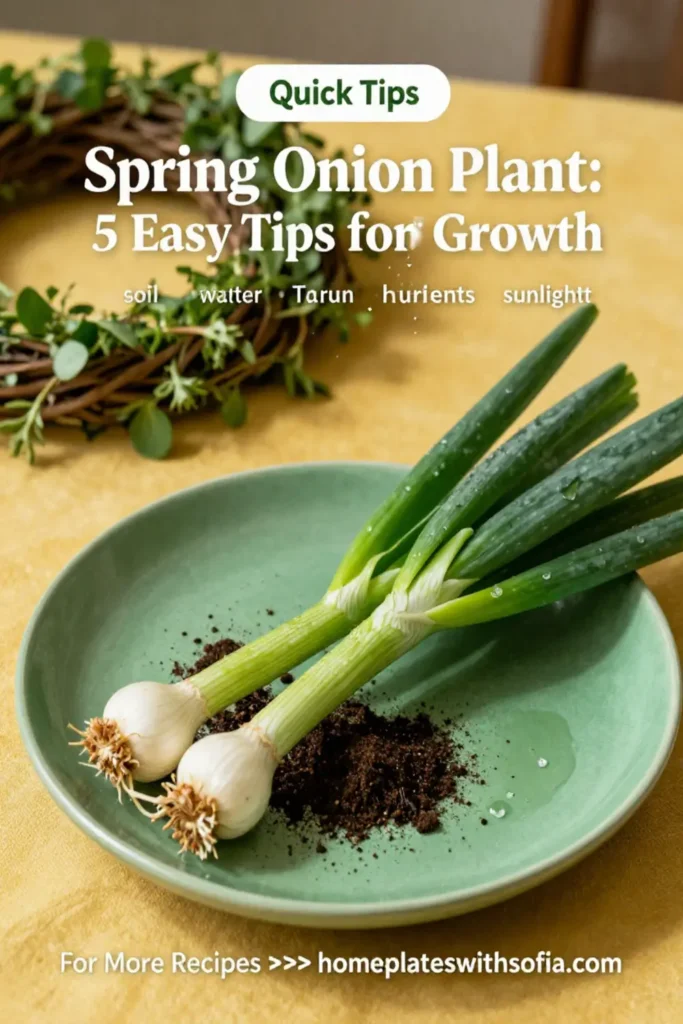
Spring onion plants are a variety of scallion, known for their edible green tops and bulbous white bases. Cultivating them is not only easy but also incredibly satisfying, making it a popular choice among beginner gardeners and busy parents alike. Here are five essential tips to ensure their successful growth:
1. **Choose the Right Location**: Spring onions thrive in full sunlight. Ensure your planting area receives around six hours of direct sunlight each day. This not only promotes stronger plants but also enhances the flavor profile of your onions.
2. **Use Quality Soil**: A well-draining soil rich in organic matter is crucial for healthy growth. Consider mixing compost into your garden bed or using modern potting mixes that provide the perfect nutrition balance for your plants.
3. **Water Regularly**: Consistent watering helps keep your spring onions happy. They prefer moist soil, so aim to keep the ground damp but not soggy. Overwatering can lead to root rot, which is something to be cautious of.
4. **Harvest at the Right Time**: Knowing when to harvest can significantly impact the flavors of your spring onions. They are usually ready about six weeks after planting. The best time to pick them is when their tops are about 6 inches tall.
5. **Rotate Crops Annually**: To prevent soil depletion and diseases, rotate your spring onions with other crops each year. This practice helps maintain the soil’s fertility and reduces pests in the garden.
Why You’ll Love This
The allure of cultivating your own spring onions transcends mere food production; it enriches your lifestyle. Picture stepping into your garden, plucking the leaves fresh and crisp, and incorporating them directly into your meals. Imagine the vibrant greens adorning your dishes, providing not just flavor but also a sense of accomplishment. Spring onions are perfect for busy parents looking to introduce their children to gardening. Plus, they are low-maintenance and can flourish in smaller spaces, so even if you live in an apartment, they can be grown in pots on a balcony.
Ingredients You’ll Need
- Spring Onion Seeds: Select high-quality seeds for robust growth. These plants can also be grown from kitchen scraps!
- Compost: A well-balanced compost provides the nutrients necessary for vigorous plants.
- Water: Fresh, clean water is essential; ensure good drainage to avoid overwatering.
- Natural Fertilizer: An organic option will support growth without the concerns of chemicals.
- Sunlight: Ensure you have a planting area that receives ample sunlight for optimal growth.
How to Make
- Start by preparing your planting area. Choose a spot with well-draining soil and direct sunlight. Use a garden spade to loosen the soil.
- Mix in compost to enrich the soil. Aim for a ratio that ensures your spring onions have all the nutrients they need to thrive.
- Plant the seeds or kitchen scraps at a depth of about 1 inch. Ensure they’re spaced adequately to allow room for growth.
- Water the newly planted area gently, ensuring the soil is moist but not waterlogged. Maintain this moisture level as the plants grow.
- As your spring onions develop, monitor their growth and ensure they’re receiving enough sunlight and water. Look out for pests and diseases.
Variations & Substitutions
Onion Varieties
Though spring onions are fantastic on their own, you might want to explore other varieties like scallions or shallots. These alternatives offer unique flavors that could elevate your dishes. Scallions tend to be a bit milder and can easily be used raw in salads or as garnishes.
Growing from Kitchen Scraps
A fun and sustainable approach to growing spring onions is using kitchen scraps. Place the white root ends in a glass of water, ensuring the tops are above the water line. When they grow new green tops, simply plant them in soil for a continuous source of fresh onions.
Common Mistakes to Avoid
One key mistake many beginner gardeners make is overcrowding spring onion plants in the garden. This can lead to stunted growth and poor flavor! Always ensure proper spacing to encourage good air circulation and access to sunlight.
Another common oversight is inconsistent watering. Neglecting a consistent watering schedule can lead to dry soil, resulting in flavors that lack depth. Develop a routine to check soil moisture levels, ensuring your beautiful plants remain hydrated.
Storage, Freezing & Reheating Tips
To maximize the lifespan of your harvested spring onions, store them in a cool and dark place. Place them in a perforated plastic bag in the refrigerator to prolong freshness. If you have an abundance, consider freezing them. Chop the onions, spread them out on a baking sheet, and freeze before transferring to a freezer bag. When you need a splash of flavor in your meal, simply grab a handful—they’ll retain most of their flavor even after freezing!
When it’s time to use your stored spring onions, there’s no need to thaw them. Simply toss the frozen pieces directly into your cooking dish. Perfect for stir-fries, soups, or salads!
Frequently Asked Questions
Can I grow spring onions indoors?
Absolutely! Spring onions are ideal for indoor gardening. Use pots with good drainage and place them on a windowsill that receives direct sunlight. Regular watering and ensuring good airflow will help them thrive.
How long does it take for spring onions to grow?
From planting to harvest, spring onions typically take about 6 to 8 weeks. However, this can vary based on your growing conditions. Keeping them well-watered and ensuring they receive enough sunlight will encourage quicker growth.
Can I eat the green tops of spring onions?
Yes! The green tops are edible and often used in various dishes. They add color and flavor, and you can use them raw in salads or as garnishes.
What pests should I watch for when growing spring onions?
Common pests include aphids and onion flies. Regularly inspect your plants and use organic pest control methods if you notice signs of infestation.
How can I ensure the best flavor for my spring onions?
Harvest your spring onions at the right time when they are young and tender. Ensure they receive full sun and maintain consistent watering. Avoid overcrowding as it can affect flavor development.
Conclusion: Cultivating spring onions can transform your culinary experience while offering a sense of fulfillment as you nurture your plants from seed to table. Whether used fresh in dishes or as a cooking garnish, their versatility is unmatched. Follow these tips and enjoy the process of growing and utilizing spring onions, adding a burst of flavor to your meals.