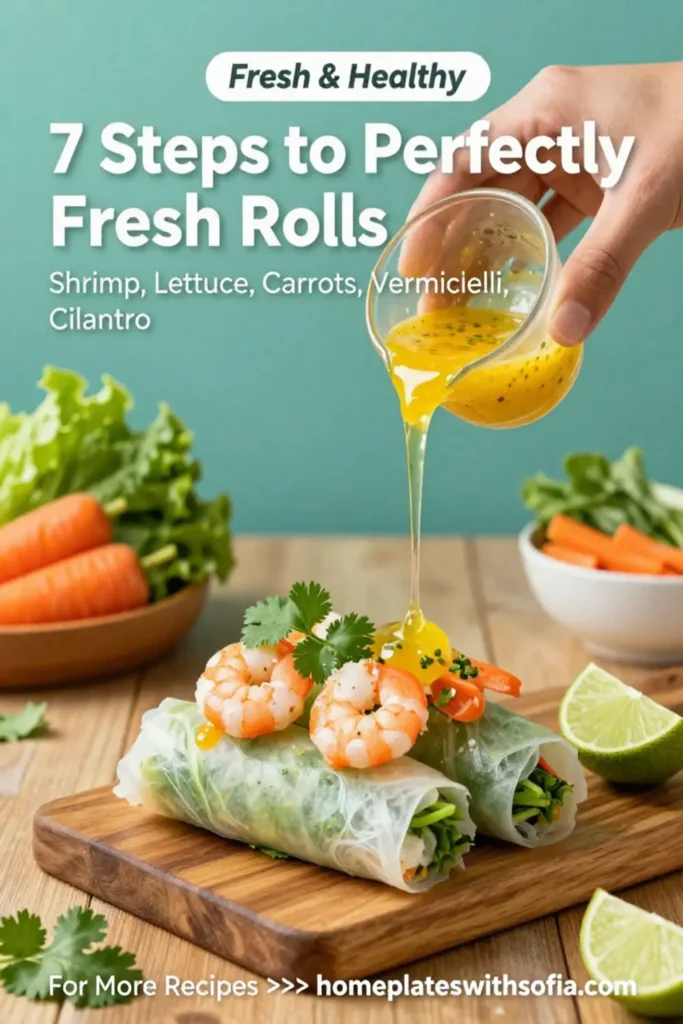
Spring Roll Picture: 7 Steps to Perfectly Fresh Rolls

Posted on

Spring Roll Picture: 7 Steps to Perfectly Fresh Rolls

Main Dishes

Prep time: 30 minutes
Cook time: 10 minutes
Total time: 40 minutes
Servings: 4 servings

Spring rolls are a delightful dish that combines crisp vegetables and savory flavors all wrapped up in a delicate rice paper. Whether you’re throwing a party, looking for a healthy snack, or simply craving something fresh, these rolls can easily adapt to your needs. Not only are they fun to make, but they also provide a vibrant and delicious way to present a variety of ingredients.

What Is Spring Roll Picture: 7 Steps to Perfectly Fresh Rolls?

Spring rolls are a staple in many Asian cuisines, known for their light, refreshing nature. They are typically made with rice paper, which encases a colorful mixture of fresh vegetables, herbs, and sometimes proteins. The joy of the spring roll lies in its versatility. You can customize the fillings to suit your taste or dietary preferences. From crunchy carrots and cucumbers to succulent shrimp or tofu, the choice is entirely yours. They are served cold or slightly chilled, allowing the flavors to shine and the textures to delight.

Why You’ll Love This

There are countless reasons to fall in love with spring rolls. Firstly, **they are incredibly healthy**. Packed with fresh vegetables and lean proteins, they offer a nutritious alternative to deep-fried snacks. Additionally, making spring rolls can be a fun family activity. Gather everyone around the table and let each person create their unique roll. The process itself is engaging, and each finished roll is a small masterpiece. Lastly, they are perfect for meal prepping. You can make a large batch ahead of time and enjoy them throughout the week.

Ingredients You’ll Need

  • Rice Paper Wrappers: The base for your rolls, these are thin and pliable, allowing you to wrap ingredients easily. They come in various sizes but stick to the larger ones for generous servings.
  • Vegetables: Fresh carrots (julienned), cucumbers, and bell peppers (sliced) add crunch and color. Use vibrant ones like red and yellow for extra visual appeal.
  • Fresh Herbs: Mint and cilantro add a refreshing burst of flavor. Ensure the herbs are fresh for the best taste.
  • Proteins: Shrimp, chicken, or tofu (cubed) provide substance. Grill or sauté them before adding to the rolls for enhanced flavor.
  • Dipping Sauce: A mix of soy sauce, peanut butter, and lime juice creates a zesty dip that complements the rolls perfectly.


![Spring Roll Picture: 7 Steps to Perfectly Fresh Rolls]()

How to Make

  1. Prep the Ingredients: Start by washing and slicing all your vegetables into thin strips. Use a sharp knife for clean edges, which will make generous fillings easier. If using proteins, prepare them according to your preference: marinate shrimp for flavor or grill chicken until golden.
  2. Soften the Rice Paper: Fill a large bowl with warm water. Dip one rice paper wrapper in the water for about 15 seconds until it becomes soft and pliable. Avoid soaking for too long to prevent tearing.
  3. Assemble the Rolls: Place the softened rice paper on a clean surface. Lay your protein and veggies in a line about a third from the bottom. Don’t overstuff, as this could lead to messy rolls.
  4. Fold & Roll: Fold the sides over the filling first, then roll from the bottom tightly but gently until you reach the top. The rice paper should wrap around the ingredients snugly but not so tight that it tears.
  5. Prepare Your Dipping Sauce: In a bowl, mix soy sauce, peanut butter, and a splash of lime juice. Adjust the ratio to your taste, ensuring a well-balanced flavor that enhances the spring rolls.
  6. Serve & Enjoy: Arrange your fresh rolls on a platter alongside the dipping sauce. Make sure to keep them covered or chilled until ready to serve, preventing the rice paper from drying out.

Variations & Substitutions

Vegan Spring Rolls: For a fully plant-based version, replace any animal protein with tofu or tempeh. Use a variety of mushrooms to offer meaty texture and umami flavor. Pair with a homemade tahini sauce for a creamy dip.

Spicy Spring Rolls: If you enjoy a kick, add sliced jalapeños or a drizzle of Sriracha to your filling. Consider mixing a spicy hoisin sauce or creating a chili-lime dip for added heat.

Fruit Spring Rolls: For a refreshing sweet twist, use fruits like strawberries, mangoes, and bananas as fillings. Pair these with a coconut dipping sauce made from coconut milk and a splash of vanilla for a delightful dessert.

Grilled Spring Rolls: Use grilled vegetables like zucchini and eggplant as the main fillings. This adds a smoky flavor that pairs well with a yogurt-based sauce, adding creaminess to the dish.

Common Mistakes to Avoid

One of the main pitfalls when making spring rolls is overfilling. Too many ingredients can cause the wrapper to break. It’s essential to find a balance that allows for a snug roll without strain. Additionally, avoid letting the rice paper sit in water for too long, as this can cause it to become too soft and *tear easily*. Instead, just a quick dip will do.

Another mistake is inadequate preparation of ingredients. Ensure vegetables are chopped finely to allow for easy rolling and maximum flavor distribution. Finally, don’t skip out on the dipping sauce; it’s a crucial component that elevates the rolls to a whole new level.

Storage, Freezing & Reheating Tips

Spring rolls are best enjoyed fresh, but if you have leftovers, store them in an airtight container in the refrigerator for up to two days. Make sure to separate layers with parchment paper to prevent sticking. For long-term storage, you can freeze the unmade rolls. Wrap each roll tightly in plastic wrap, then place them in a freezer-safe bag. They can last for about a month in the freezer.

To reheat, avoid microwaving cooked rolls as they may become soggy. Instead, gently pan-fry or bake them until warmed through. For fresh rolls, it’s best to consume them cold or at room temperature.

Frequently Asked Questions

Can I make spring rolls ahead of time? Yes, spring rolls can be prepared a few hours in advance. However, they are best enjoyed fresh to maintain the integrity of the rice paper. Keep them covered with a damp cloth to prevent drying out.

Are spring rolls gluten-free? Most rice paper wrappers are gluten-free, making them an excellent option for those with gluten sensitivities. However, always check ingredients in pre-made sauces used as dips.

What can I substitute for rice paper? If you cannot find rice paper, use thin lettuce leaves like butter lettuce or collard greens for a similar wrap experience. While the texture will differ slightly, they can provide an excellent fresh alternative.

How do I keep my spring rolls from sticking together? To prevent sticking, you can place parchment paper between the rolls when stacking them. Additionally, light oiling of the surface may help keep them from adhering to one another.

Can I eat spring rolls warm? While traditional spring rolls are typically served cold, they can also be enjoyed warmed. Feel free to slightly sauté them after assembling for a warm, crispy bite.

Conclusion: Spring rolls offer a striking addition to any meal or occasion. Their **customizable** nature allows you to play with flavors and ingredients, making every roll a reflection of your unique taste. From a health perspective, they are packed with nutrients and provide a satisfying crunch that everyone can enjoy. As you gain confidence in preparing these rolls, you’ll discover endless possibilities that can fit into busy lifestyles, meal prepping routines, and budget-friendly cooking. Dive into the world of spring rolls, and bring a fresh twist to your dining table!

You might also like these recipes