Prep time: 15 minutes
Cook time: 30 minutes
Total time: 45 minutes
Servings: 4
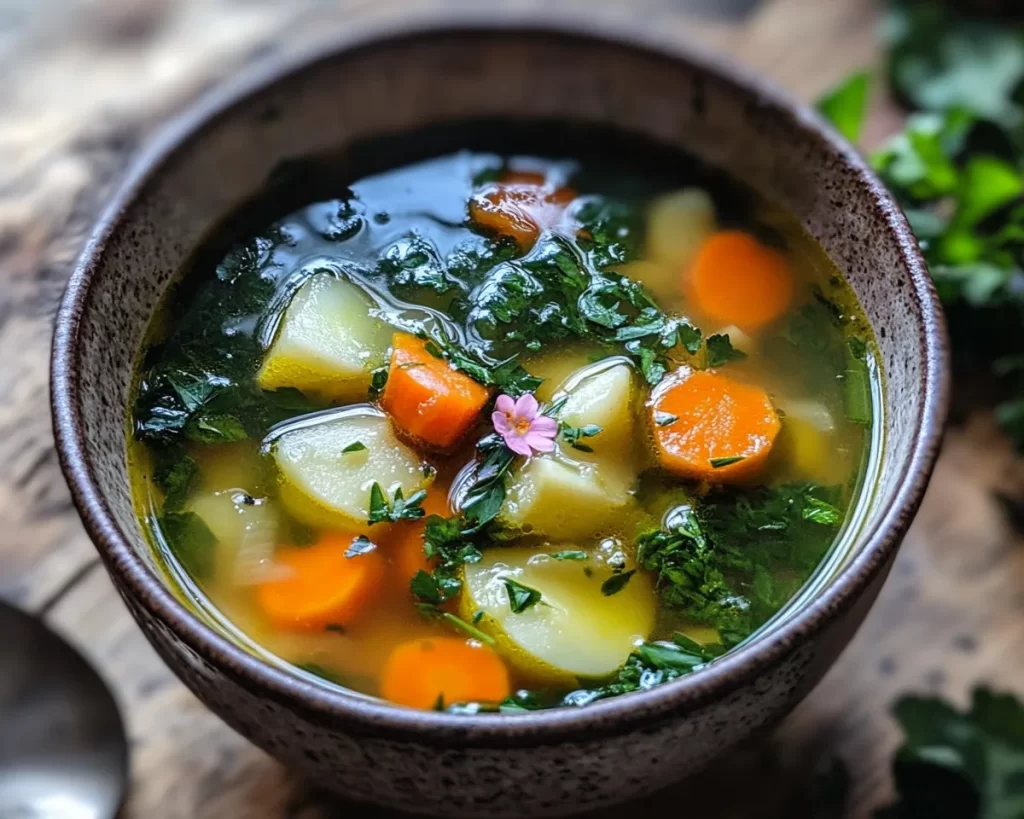
Spring is a season of renewal and freshness, bringing with it an abundance of vibrant and colorful vegetables. Among the delightful dishes that celebrate the arrival of spring is the beloved Spring Vegetable Soup. This light and refreshing soup not only captivates the taste buds but is also a canvas for various seasonal vegetables. Imagine a bowl filled with bright greens, tender carrots, and fragrant herbs, all mingling together in warm broth; it’s a dish that evokes the spirit of the season. In this article, you’ll discover how easy it is to prepare this delightful soup, along with tips, variations, and common mistakes to avoid. You’ll be left wondering why you didn’t make this enchanting soup sooner!
What Is Spring Soup: Spring Vegetable Soup (Light)?
Spring Vegetable Soup, often referred to simply as spring soup, is a delightful blend of fresh vegetables cooked in a light broth. Originating in various culinary traditions around the world, this soup is a celebration of spring’s bounty, featuring ingredients like asparagus, peas, and fresh herbs. The texture of the soup can vary; you can enjoy it chunky with identifiable vegetable pieces or finely blended into a silky smooth puree, depending on your preference. The flavor is bright and invigorating, often enhanced by the freshness of herbs like parsley, dill, or basil, and just the right amount of acidity to balance the earthiness of the vegetables.
Cooking this soup also provides an opportunity to learn about seasonal eating, which not only supports local farmers but also offers the freshest ingredients. It’s an ideal recipe for busy weeknights when you need something healthy yet satisfying. You can customize the soup according to your taste or whatever excites you at the farmer’s market that week. Ultimately, this Spring Vegetable Soup serves as a warm invitation to embrace the changing seasons and enjoy wholesome ingredients in their prime.
Why You’ll Love This
One of the standout features of this Spring Vegetable Soup is the incredible balance of taste and health. Packed with various vegetables, this soup offers a plethora of essential vitamins and minerals while being low in calories, making it perfect for anyone looking to maintain a healthy lifestyle. It is easy to prepare, which is a significant advantage for busy parents or beginners in the kitchen. With just one pot and a few fresh ingredients, a nourishing meal is ready in under 45 minutes!
Another reason to appreciate this spring delicacy is its versatility. Whether you’re a vegetarian, a meat lover, or following a gluten-free diet, this soup accommodates all. You can easily swap out vegetables as per preference or season, ensuring that every bowl is unique. Common mistakes people make often involve overcooking the veggies or not seasoning sufficiently; however, with a few tricks, you can elevate your soup from good to extraordinary!
Ingredients You’ll Need
– 2 tablespoons olive oil
– 1 small onion, finely chopped
– 2 cloves garlic, minced
– 2 medium carrots, diced
– 1 medium zucchini, chopped
– 1 cup asparagus, chopped
– 1 cup fresh peas (or frozen)
– 4 cups vegetable broth
– 1 teaspoon dried thyme
– Salt and pepper, to taste
– 1/4 cup fresh parsley, chopped
– Juice of half a lemon
Each ingredient plays a vital role in building the soup’s flavor and texture. The olive oil creates a silky base, while the onions and garlic when sautéed, provide a fragrant foundation. Carrots add sweetness and vibrant color, while zucchini lends a tender texture. Asparagus and peas showcase the essence of spring, making your dish feel fresh and lively.
Using fresh herbs like parsley introduces a burst of flavor. Dried thyme enhances the aromatic appeal, and a hint of lemon juice at the end boosts brightness, tying all flavors together. Should you need substitutions, consider using leeks instead of onions for a milder taste or swapping out vegetable broth for chicken broth if you prefer a meat-based version. The possibilities are truly endless!
How to Make
1. **Prepare the Ingredients**: Begin by rinsing and chopping all your vegetables—this saves time and keeps the cooking process organized. Ensure you have everything ready before turning on the stove. Having a mise en place will help you stay focused and efficient.
2. **Sauté the Aromatics**: In a large pot, heat the olive oil over medium heat. Once hot, add the finely chopped onion and cook until translucent, about 5 minutes. Stir in the minced garlic and cook for another minute until fragrant. This combination creates a savory base that is essential for any soup.
3. **Add the Carrots**: Toss in the diced carrots, cooking them for about 5 minutes until slightly softened. They add both sweetness and color. Remember to stir occasionally to prevent them from sticking to the bottom of the pot.
4. **Introduce Remaining Vegetables**: Next, add the chopped zucchini and asparagus, stirring well to combine. Continue to cook the mixture for about 3-4 minutes. The vegetables should be tender yet crisp, preserving their vibrant colors.
5. **Pour in Broth and Seasonings**: Gradually add the vegetable broth, making sure to scrape up any aromatic bits that may have stuck to the bottom of the pot. Then, stir in the dried thyme, salt, and pepper. Bring the soup to a gentle boil.
6. **Add Peas and Cook**: Once the mixture reaches a boil, add the fresh peas. If you’re using frozen peas, toss them in right after the broth. Reduce the heat to a simmer, allowing the soup to cook for about 10 minutes, just until all the vegetables are tender but hold their shape.
7. **Finish with Fresh Herbs and Lemon Juice**: Remove the soup from heat and stir in the chopped parsley and lemon juice. This final touch brings brightness to the dish and a pop of freshness, perfectly balancing the flavors.
8. **Serve**: Ladle the soup into bowls and serve with crusty bread on the side for dipping, creating a complete, satisfying meal. Enjoy the exploded flavors and textures harmonizing with each spoonful!
Variations & Substitutions
Classic Spring Vegetable Soup: Stick to the basic recipe but try using asparagus, spinach, and baby carrots. This version highlights the beautiful greens of spring, providing a fresh flavor perfect for warmer weather picnics.
Protein-Packed Version: For a heartier meal, add cooked chickpeas or cooked chicken breast. Chickpeas introduce plant-based protein, making it a fulfilling dish for vegetarians and vegans. Conversely, shredded chicken provides additional heartiness while maintaining the soup’s lighter spirit.
Spicy Spring Kick: If you enjoy a bit of heat, consider including red pepper flakes or a diced jalapeño during the sautéing of onions and garlic. The warmth complements the fresh vegetables and adds an exciting twist to the classic recipe.
Pureed Spring Soup: For a smooth texture, blend the soup using an immersion blender after cooking. The result is a creamy, immediately comforting dish perfect for chilly spring nights, especially fantastic when enjoyed with a drizzle of extra virgin olive oil on top.
Herbed Variation: Instead of parsley, explore using fresh dill or basil, giving the soup a unique flavor profile. Dill pairs perfectly with peas and adds a cucumber-like freshness, while basil complements the sweetness of carrots and zucchini beautifully.
Common Mistakes to Avoid
When making Spring Vegetable Soup, it’s essential to avoid overcooking the vegetables. Overcooked vegetables not only lose their vibrant colors but also their nutritional value, resulting in a mushy texture that is far from desirable. Cooking the vegetables until just tender allows them to maintain their shape and provide that fresh crunch you’re looking for.
Another common mistake is skimping on seasonings. A soup can only be as flavorful as the ingredients you include, so be generous with salt and pepper as it enhances the flavors. Tasting the broth before serving ensures you’re not missing that crucial seasoning, which makes all the difference.
Lastly, precision in timing is key. Be sure to pay attention to each step, particularly when mixing in fresh ingredients like herbs and lemon juice. Adding them at the right moment brings out their flavors and prevents them from becoming overcooked or muted.
Storage, Freezing & Reheating Tips
Proper storage of your Spring Vegetable Soup is vital for maintaining its freshness. Allow the soup to cool completely before transferring it to an airtight container. Store it in the refrigerator for up to 3-4 days. When reheating, do so gently on the stove over low heat, stirring frequently to maintain the best texture and flavor.
If you foresee having leftovers for more than a few days, freezing is a great option. Portion the soup into individual containers, leaving some space at the top for expansion. It can be frozen for up to three months. When ready to enjoy it again, move the container to the refrigerator overnight to allow it to thaw before reheating on the stovetop.
Be wary of reheating multiple times, as this can degrade the soup’s quality. Ideally, only reheat the portion you plan to consume to maintain the vibrant flavors and textures of the vegetables.
Frequently Asked Questions
Can I use frozen vegetables instead of fresh? Yes, frozen vegetables can be a convenient substitute if fresh produce isn’t available. They are often flash-frozen at peak ripeness, ensuring they retain most of their nutrients and flavor. However, fresh vegetables generally offer a superior texture and flavor for this soup.
Is this soup gluten-free? Yes, as long as you use gluten-free vegetable broth, the recipe is entirely gluten-free. Always check the labels for any added ingredients that may contain gluten.
Can I make this soup in advance? Absolutely! This Spring Vegetable Soup tastes even better the next day as the flavors meld together. Just make sure to cool it down before refrigerating or freezing. It’s a great option for meal prep.
What can I replace the vegetable broth with? If you prefer a meatier flavor, chicken broth is an excellent alternative. You can also use homemade stock or bone broth for a nutrient-packed version. Vegetable broth remains the best option for a lighter, vegetarian-friendly soup.
Can I add grains or pasta to this soup? Yes, you can! Adding cooked grains such as quinoa or barley can provide a more substantial meal. Similarly, small pasta shapes can add more texture; be sure to cook them separately and add them just before serving to keep the soup from becoming too thick.
Conclusion:
This Spring Vegetable Soup is not just a recipe; it’s a celebration of the season, infusing your kitchen with delightful aromas and fresh tastes. Its many variations allow you to customize it to your liking, making it a flexible addition to your culinary repertoire. Whether for a busy weeknight or a leisurely weekend meal with family, this soup shines with simplicity and flavor. So, grab your apron, gather your favorite vegetables, and share the joy of cooking this heartwarming dish. Your taste buds will thank you, and you’ll find yourself returning to this recipe time and time again. Happy cooking!