Prep time: 20 minutes
Cook time: 30 minutes
Total time: 50 minutes
Servings: 4 servings
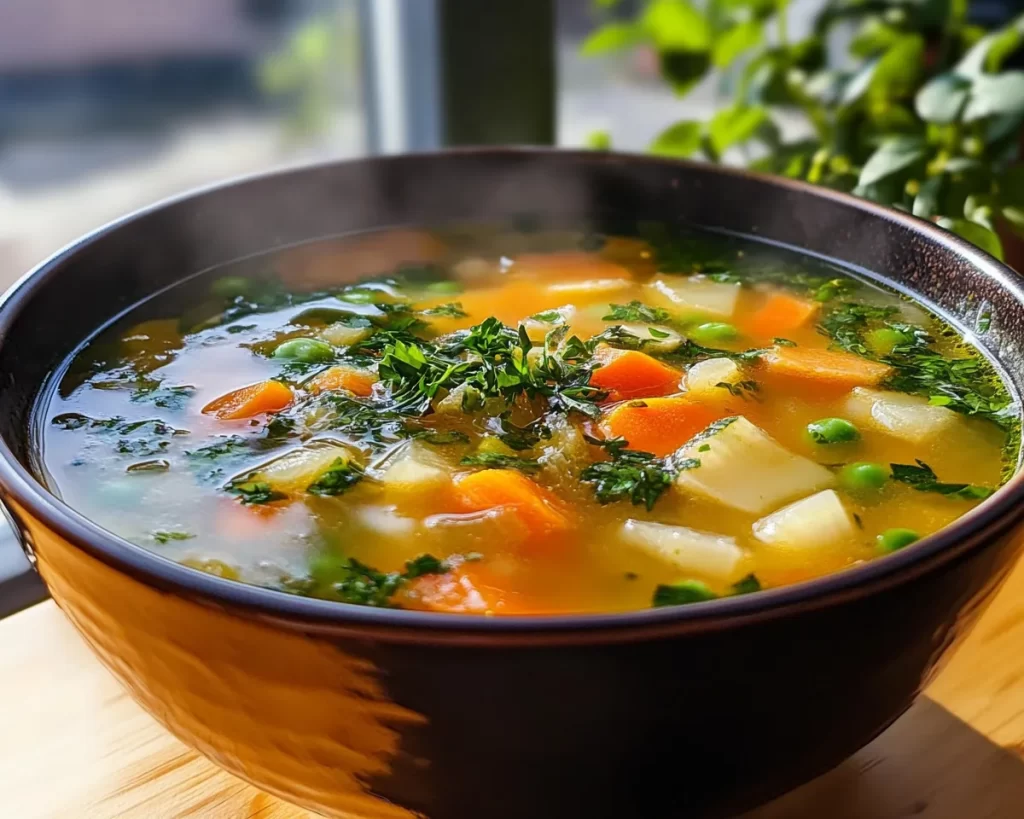
Spring Soup: Vegetable Spring Soup is a delightful dish that captures the essence of the season in a bowl. As warm weather approaches and the vibrant colors of fresh produce come to life, this soup provides a light, healthy option to revitalize your meal plans. Imagine yourself enjoying a warm bowl of this vibrant soup after a long day or even sharing it with family during a weekend gathering. The combination of fresh vegetables makes each spoonful a refreshing experience that bursts with flavor. In this recipe, not only will you learn how to create this delicious soup, but you’ll also discover cooking tips, variations, and insights to make the most out of this dish.
What Is Spring Soup: Vegetable Spring Soup (Light + Healthy)?
Spring Soup, also known as Vegetable Spring Soup, exemplifies the best in seasonal cooking. This light and healthy dish is primarily made up of fresh, spring vegetables, such as asparagus, peas, and carrots, which are all known for their delicate textures and subtle sweetness. The soup is clear or slightly creamy, providing a refreshing base that complements the tender vegetables. Originating from various culinary traditions, this soup can take many forms, but it always retains its core essence: simple yet vibrant.
The flavor profile of this soup can vary widely depending on the vegetables and seasonings used, but it typically features a balance of earthy undertones from the vegetables, with a hint of freshness from herbs. By using seasonal ingredients, you’re not only maximizing the flavor but also the nutritional value. It’s a dish that embodies comfort, makes use of what you have, and can be a versatile canvas for your creativity in the kitchen.
Why You’ll Love This
You’ll love this Vegetable Spring Soup for several reasons. Firstly, the taste is simply delightful. The combination of fresh vegetables creates a beautiful medley of flavors that are both satisfying and refreshing. Pairing different ingredients can elevate this dish to your specific liking, making it suitable for everyone’s palate. Secondly, it’s incredibly easy to whip up; with just a few chopping skills and a good pot, you can create a wholesome meal that caters to your busy lifestyle.
Cost is another appealing aspect of this dish. Vegetables are generally affordable, especially when in season, making this soup a friendly option for budget-conscious families. Plus, it’s a healthy choice for those looking to incorporate more vegetables into their diets. Packed with vitamins, minerals, and antioxidants, this soup supports overall well-being. Lastly, versatility is one of the recipe’s major strengths. It can easily be adapted to fit various dietary needs, such as vegan or gluten-free, making it a crowd-pleaser in any gathering.
Ingredients You’ll Need
- 1 tablespoon olive oil: This healthy fat provides a good base for sautéing your vegetables.
- 1 onion, diced: Adds a savory depth to the base of the soup.
- 2 cloves garlic, minced: Infuses a fragrant aroma and robust flavor.
- 2 carrots, chopped: Provides sweetness and color.
- 1 cup green beans, trimmed and chopped: Adds a nice crunch and bright color.
- 1 cup asparagus, trimmed and cut: Contributes a mild, delicate flavor.
- 1 cup frozen peas: These sweet nuggets provide a burst of flavor and a vibrant green color.
- 4 cups vegetable broth: The base of your soup, enhancing flavor while keeping it light.
- 1 teaspoon thyme: Offers a subtle earthy flavor that complements the vegetables.
- Salt and pepper to taste: Essential for bringing out the flavors in your ingredients.
- Fresh herbs like basil or parsley for garnish: Brings freshness and visual appeal.
Each ingredient plays a crucial role in crafting the unique flavor profile of your Vegetable Spring Soup. For example, if you don’t have green beans on hand, you can easily substitute them with broccoli or zucchini, which will provide similar textures and flavors. Feel free to experiment according to what you have in your kitchen.
How to Make
- Heat the oil in a large pot over medium heat. Begin by adding the olive oil and allowing it to warm for about a minute. This helps to awaken the flavors before adding the vegetables. You should see gentle ripples in the oil, indicating it’s hot enough.
- Add the onion and sauté until translucent. Toss the diced onion into the pot and stir occasionally. Cook for about 5–7 minutes until the onion becomes soft and translucent. This step is essential, as it forms the aromatic base of your soup.
- Stir in the garlic. Add minced garlic and continue to sauté for an additional minute. This will not only enhance the fragrance but also ensure that the garlic doesn’t burn, which could impart a bitter flavor to the soup. You want to see it become fragrant but not browned.
- Add the carrots, green beans, and asparagus. Once the garlic has released its aroma, introduce the chopped carrots, green beans, and asparagus to the pot. Stir well and cook for 5–7 minutes, allowing the vegetables to soften slightly while retaining some of their crunch.
- Pour in the vegetable broth. Carefully pour in the 4 cups of vegetable broth while scraping the bottom of the pot to release any stuck bits. This enhances the flavor of your soup significantly! Bring the pot to a gentle boil.
- Add the frozen peas and thyme. Once the broth is boiling, reduce the heat to a simmer and add the frozen peas and thyme. Let them mingle in the soup for about 5–10 minutes. This is a good moment to season with salt and pepper as per your taste.
- Check for seasoning and adjust if needed. Before serving, take a moment to taste your soup. You may want to add a pinch more salt or a dash of pepper. Remember that herbs are quite delicate, and their flavor will develop as they sit in the hot broth for a while.
- Serve and garnish. Ladle the soup into bowls and garnish with freshly chopped herbs, like basil or parsley, to brighten the flavors. The visual appeal of the green herbs on top makes each bowl inviting and tantalizing.
Making Vegetable Spring Soup is indeed straightforward and beginner-friendly. The process from start to finish creates a wonderful aroma in your kitchen that will make your mouth water in anticipation.
Variations & Substitutions
Protein-Packed Variation:
For those looking to switch things up, consider adding protein to make your soup heartier. Adding cooked chicken or tofu can boost the nutritional value without compromising the soup’s light nature. Simply cube the cooked chicken or tofu and stir it in during the last 5 minutes of cooking. This not only keeps the protein tender but also adds a new dimension to the flavor profile.
Spicy Spring Soup Variation:
If you enjoy a kick in your meals, consider adding red pepper flakes or a diced jalapeño to the onions. This will infuse your soup with heat and depth. Adjust the amount according to your spice tolerance and preferences. You can also add some lime juice at the end for a zesty finish that will elevate the overall taste.
Creamy Spring Soup Variation:
For a richer soup, consider blending a portion of the soup to create a creamy texture. After simmering, use an immersion blender to purée about half of the soup and then return it to the pot. You can also stir in a splash of cream or coconut milk for added richness without losing the light properties of the dish. This provides a comforting twist while keeping it healthy.
Gluten-Free or Grain-Free Variation:
For a grain-free option, skip traditional soup croutons, and instead, serve the soup with a side of quinoa or brown rice. This will keep it feeling like a wholesome meal while catering to various dietary practices.
Common Mistakes to Avoid
One common mistake when making a vegetable soup is to overcook the vegetables. While you want them to be tender, overcooking can lead to mushiness, stripping the vegetables of their flavor and nutrients. The bright color and crunch are part of what makes the soup appealing, so keep an eye on cooking times.
Another pitfall is not seasoning adequately. Adding salt and pepper at the end of cooking might not yield the most flavorful result. Instead, season gradually at each step; this allows the flavors to build throughout the process. Be mindful of your broth’s salt content, as some are much saltier than others, which could affect the overall seasoning.
Finally, be cautious with fresh herbs. These delicate ingredients should be added just at the end of cooking or used fresh as a garnish. Prolonged cooking can diminish their flavor, leaving only a dull taste.
Storage, Freezing & Reheating Tips
When it comes to storing your Vegetable Spring Soup, ensure it cools to room temperature before transferring it to an airtight container. This helps prevent condensation, which can make your soup watery over time. Store it in the refrigerator, and it will last for up to three days but is best eaten within the first day for optimal freshness.
If you want to preserve it for a longer period, consider freezing. Vegetable Spring Soup freezes quite well. Pour the soup into freezer-safe containers, leaving a little space at the top for expansion. It can be stored in the freezer for up to three months. When you’re ready to enjoy it, thaw it in the refrigerator overnight and reheat on the stove, adding a bit of water or broth if needed to regain desired consistency.
Always ensure you adhere to food safety guidelines by reheating the soup to a rolling boil for safety. If the soup contains any added proteins, make sure it has reached a safe internal temperature before serving.
Frequently Asked Questions
Can I use fresh vegetables instead of frozen?
Absolutely! Fresh vegetables are often preferred for their vibrant flavor and texture. Just ensure you adjust the cooking time accordingly, as fresh vegetables might require more time to become tender compared to frozen ones. Spring is the ideal time to enjoy seasonal produce, which will greatly enhance the flavor of your soup.
Is this soup suitable for meal prep?
Yes, this Vegetable Spring Soup is perfect for meal prep! It stores well in the refrigerator and can easily be portioned into individual servings for quick lunches or dinners. Plus, it tastes even better the next day as the flavors meld together.
Can I make this soup ahead of time?
Absolutely! You can prepare the soup a day ahead of time and simply reheat it before serving. This dish allows all the wonderful flavors to develop, making it a convenient option for busy weekdays. Just ensure you store it properly in the fridge.
What can I serve with Vegetable Spring Soup?
This refreshing soup pairs wonderfully with crusty bread, sandwich platters, or a light salad. For a more substantial meal, consider serving it with a grilled cheese sandwich or a grain-based salad for a delicious contrast in textures.
Can I add grains to the soup?
Yes! You can include grains such as barley, quinoa, or even rice to make the soup heartier. Just make sure they are cooked separately and added towards the end to keep them from becoming overly soft. This adds additional nutrients and a filling factor to your meal.
Conclusion:
In conclusion, this Spring Soup: Vegetable Spring Soup recipe stands out because of its freshness, versatility, and ease of preparation. It’s a light, healthy meal that can adapt to various tastes, making it suitable for families, busy individuals, or anyone looking to embrace a healthier lifestyle. I encourage you to customize this recipe to your taste preferences and share it with others! Dive into the vibrant flavors of spring with this delightful soup!