Prep time: 15 minutes
Cook time: 20 minutes
Total time: 35 minutes
Servings: 4
When it comes to brunch, few dishes can rival the indulgent charm of French toast, especially when you elevate it with the unique flavors of Irish cream. Picture this: Think of a cool March morning, the sun just peeking out while you sip your coffee. The sweet aroma of rich Irish cream wafts through your kitchen as your family gathers around the table. This St. Patrick’s Day Irish Cream French Toast is not just a recipe; it’s a delightful experience that brings warmth to your home and heart. This dish brings together the creamy, decadent taste of Irish cream, the light fluffiness of perfectly cooked French toast, and a hint of cinnamon for a truly unforgettable breakfast.
The beauty of this dish lies in its simplicity and comforting flavors. This recipe will guide you through the steps of making Irish Cream French Toast that is indulgent enough for a special occasion but easy enough for any ordinary day. You will learn how to transform everyday ingredients into a celebratory feast and leave your guests raving about your cooking skills. So let’s get started!
What Is St Patrick’s Day Irish Cream French Toast?
St. Patrick’s Day Irish Cream French Toast is a luxurious version of the classic breakfast staple that incorporates the rich flavors of Irish cream liqueur. The foundation of this dish is the French toast, which is made by soaking slices of bread in a mixture of eggs, milk, and, in this case, Irish cream. The resulting custard gives the toast a creamy texture and a delightful flavor that is unlike any other.
Originating from a need to use up stale bread, French toast has metamorphosed over time into a beloved breakfast choice worldwide. Its roots can be traced back to ancient Rome, but today, it is often served as a sweet dish topped with syrup or fresh fruit. By adding Irish cream, you not only honor the spirit of St. Patrick’s Day but also introduce a depth of flavor that dances on your palate. The warm, toasted bread contrasts deliciously with the creamy richness of the liqueur, creating an experience that is indulgent yet comforting.
The flavor profile is diverse, featuring hints of vanilla, sugar, and cocoa from the Irish cream itself. This dish is perfect for special occasions, particularly around St. Patrick’s Day, but its appeal can stretch throughout the year. Serve it with a dollop of whipped cream and a dusting of powdered sugar to elevate it further, making it an eye-catching centerpiece on your breakfast or brunch spread.
Why You’ll Love This
You will adore this St. Patrick’s Day Irish Cream French Toast for several reasons. First and foremost, the taste is a harmonious blend of creamy and sweet, with rich undertones that make it feel special without requiring extensive culinary skills. It’s an exquisite treat that captures the essence of indulgence, ideal for impressing guests or celebrating a festive occasion. Additionally, the time it takes to prepare and cook this recipe is minimal, so you can whip it up even on busy mornings.
Moreover, this dish is incredibly cost-effective. Using basic ingredients like eggs, milk, and bread, paired with the luxurious addition of Irish cream, creates a meal that feels upscale without breaking the bank. It’s a wonderful way to upgrade a simple breakfast while still being budget-friendly. Plus, the versatility of the recipe allows you to customize it based on preferences or dietary restrictions, ensuring that everyone can enjoy it.
Often, people worry that cooking French toast will lead to sogginess or uneven cooking. However, with this recipe, you learn how to manage the soaking time perfectly. Over-soaking can lead to a mushy texture, but the balance of ingredients here will teach you the right proportions for optimal results. This recipe is not only a delicious brunch dish but also a lesson in cooking confidence, making it ideal for both beginners and seasoned chefs alike.
Ingredients You’ll Need
- Thick sliced bread: You can use brioche, challah, or any hearty bread. Thick slices will hold up better during cooking and create that lovely custardy interior.
- Eggs: Fresh eggs provide structure and richness to the French toast. They are essential for creating that classic custard texture.
- Milk: Use whole milk for creaminess, but feel free to substitute with almond or oat milk for a dairy-free option.
- Irish cream liqueur: This is the star ingredient that imparts flavor and richness. If you prefer a non-alcoholic version, consider using a coffee creamer that mimics the flavor.
- Vanilla extract: This adds a warm and inviting aroma. Real vanilla extract is preferred for its quality flavor.
- Cinnamon: A dash of cinnamon enhances the overall flavor profile and adds a warm spice that complements the sweetness.
- Butter: For cooking the French toast, using unsalted butter yields the best flavor and ensures you control the sodium levels.
- Powdered sugar: For serving, a light dusting of powdered sugar adds a touch of sweetness and makes for a beautiful presentation. You can skip this if you’re watching your sugar intake.
Each ingredient plays a vital role in crafting the perfect St. Patrick’s Day Irish Cream French Toast. Using good quality bread is vital, as it provides the structure for soaking up the delightful custard mix. Eggs act as a binding agent and contribute to that rich texture, while milk creates a creamy base. Incorporating Irish cream liqueur is essential for achieving the distinct flavor profile and elevating a simple breakfast into something truly special.
How to Make
To make your St. Patrick’s Day Irish Cream French Toast, follow these thorough steps:
- Begin by preheating your skillet or griddle over medium heat. You want it hot enough to create a nice golden crust but not so hot that it burns the toast. A steady temperature is essential for even cooking.
- In a large mixing bowl, crack four large eggs and whisk them well until the yolks and whites are fully combined. Add one cup of milk and a third of a cup of Irish cream liqueur to the bowl. Incorporate a teaspoon of vanilla extract and a pinch of cinnamon to the egg mixture. Continue whisking until everything is smooth and well blended.
- Next, take two thick slices of your chosen bread and dip each slice into the egg mixture. Make sure to coat both sides generously, allowing the bread to soak for about 30 seconds. The goal is to saturate the bread without it falling apart. You may want to use a more robust bread, like brioche or challah, as these varieties soak up the custard beautifully without becoming mushy.
- Once soaked, place the slices directly onto the hot skillet melted with one tablespoon of butter. Cook for about 3-4 minutes on each side, or until the French toast is crisp and golden brown. Keep an eye on it to ensure you get that perfect caramelization without burning. You may need to adjust the heat if your skillet is too hot.
- After removing the cooked French toast, transfer it to a serving plate and keep it warm. Repeat the process with any remaining bread slices, adding more butter to the skillet as needed. Each piece should be cooked to perfection, creating a wonderful, inviting aroma that fills your kitchen.
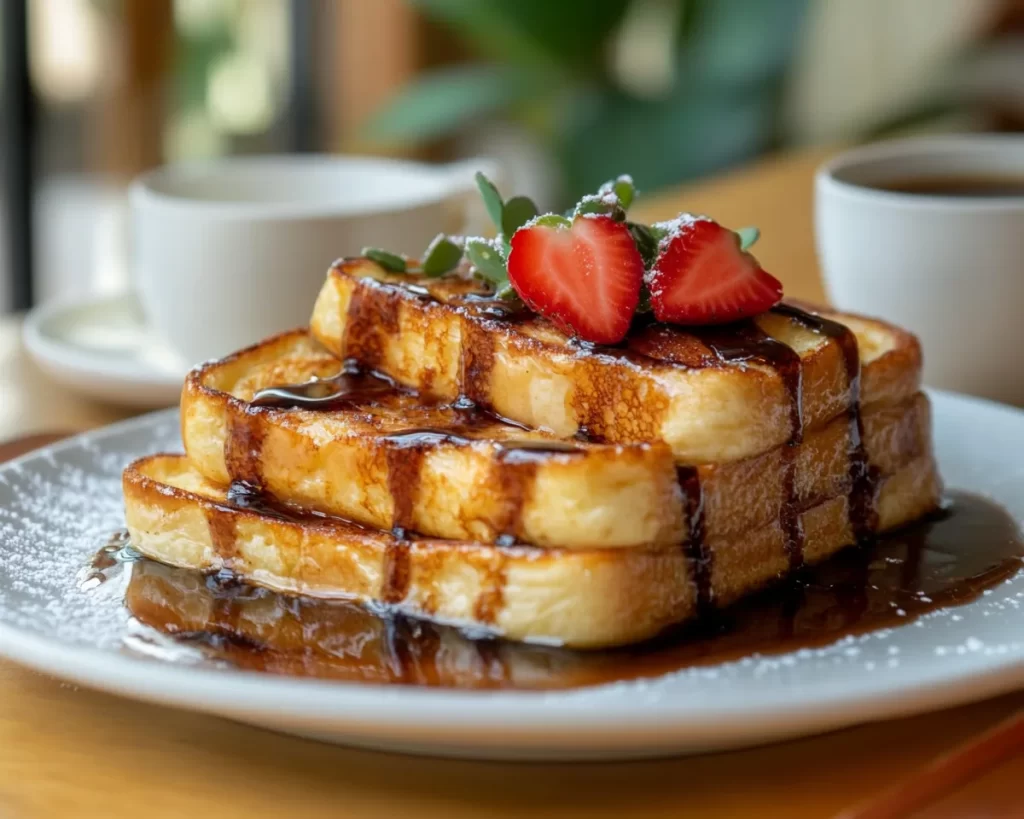
- To serve, generously dust the French toast with powdered sugar and drizzle with maple syrup or a bit of extra Irish cream liqueur. Garnishing with fresh berries or whipped cream adds a lovely touch, visually appealing and delicious. You can even top it with nuts for added crunch.
Following these steps will lead you to a delightful breakfast experience that everyone will enjoy. The sensation of crisping the edges while the inside remains soft and custardy is what makes this recipe stand out.
Variations & Substitutions
Nutty Irish Cream French Toast: Swap out the traditional Irish cream liqueur with a hazelnut-flavored version for a nutty twist that adds dimension. This variation is ideal for those who have a soft spot for nutty flavors. You can sprinkle some chopped hazelnuts on top to reinforce this flavor. It not only enhances the taste but adds a sophisticated crunch.
Banana Bread French Toast: Transform your leftovers into something magical. Instead of using traditional bread, replace it with banana bread for a rich, flavorful twist. The natural sweetness from the bananas complements the Irish cream wonderfully. Slice the banana bread thick and follow the same custard preparation. This version is perfect for family gatherings and is often a hit, especially among kids.
Vegan Irish Cream French Toast: For a plant-based option, substitute the eggs with flaxseed meal or a commercial egg replacer. Use soy milk or almond milk instead of regular milk and opt for a vegan Irish cream. The texture may differ slightly, but you can achieve a fantastic result. Top with coconut yogurt for creaminess that enhances your dish.
Spiced Pumpkin French Toast: During fall, add some pumpkin purée and pumpkin pie spice to your custard mix. This seasonal adaptation provides a unique flavor that is both warm and inviting. It’s an easy way to make this dish fit for different seasons and occasions, particularly in the colder months.
Each variation offers an exciting twist while maintaining the essence of the original recipe. Experiment with these substitutions based on what you have on hand or to cater to your family’s preferences, without sacrificing flavor.
Common Mistakes to Avoid
When making St. Patrick’s Day Irish Cream French Toast, it is essential to steer clear of a few common pitfalls. Firstly, avoid *over-soaking* the bread. While soaking it in the custard mixture is essential for flavor and texture, leaving it too long can result in soggy and falling apart toast. Aim for a soaking time of about 30 seconds per side, allowing it to absorb without becoming mushy.
Another mistake to dodge is cooking at incorrect temperatures. If your skillet is too hot, it may lead to burnt exteriors and raw insides. It’s crucial to maintain a medium heat throughout cooking to ensure even doneness on both sides. You should be able to hear a gentle sizzling sound when the French toast hits the skillet; if it sizzles violently, turn down the heat.
Lastly, if the mixture is too thin, the bread may fail to soak adequately, leading to bland-tasting toast. Ensure your custard mix is thick enough by using the correct ratios of milk, eggs, and Irish cream. Always carry out a test slice first to check your ratios and adjust as needed before proceeding to cook all your slices.
Storage, Freezing & Reheating Tips
Proper storage of your St. Patrick’s Day Irish Cream French Toast is essential for enjoying it beyond the initial cooking day. If you have leftovers, allow them to cool completely and then store them in an airtight container in the refrigerator for up to three days. When reheating, use a microwave or toaster oven to restore that delightful texture without drying them out. Aim to reheat them at lower temperatures to avoid making them tough or rubbery.
If you want to keep them longer, consider freezing your French toast. To do this, place pieces in a single layer on a baking sheet and freeze until solid. Once frozen, transfer them to a freezer bag, ensuring to remove as much air as possible before sealing. This method allows you to pull out individual slices whenever a craving strikes. To reheat, pop the frozen slices directly into the toaster or an oven preheated to 350°F until heated through.
Remember that it’s important to *avoid food safety hazards*. Always ensure that any cooked food is brought back to a safe temperature before consuming, ideally reaching above 165°F. Paying attention to these tips can enhance your experience with this dish and make the most of the flavors while ensuring safety.
Frequently Asked Questions
Can I use any type of bread for this recipe? Absolutely! While brioche and challah are favorites due to their density and flavor, you can use any thick-sliced bread you prefer. Whole grain, sourdough, or even gluten-free bread can work well. Just make sure it’s sturdy enough to hold the custard without falling apart.
Is it necessary to add Irish cream liqueur? While the Irish cream liqueur significantly contributes to the flavor, you can definitely make it without it. Consider substituting it with a splash of vanilla extract or a flavored coffee creamer for a non-alcoholic version. This way, you can still enjoy delicious French toast.
Can I make this dish ahead of time? Yes! You can prepare the custard mixture and store it in the fridge for up to 24 hours before using it. Just make sure to give it a good whisk before dipping your bread. However, it’s best to cook it fresh to maintain that delightful texture.
How can I make this recipe healthier? To make a healthier version, you can use whole grain or low-calorie bread options, and substitute the sugar by using a natural sweetener like maple syrup. Additionally, using egg substitutes or almond milk instead of regular milk can reduce calories.
Can I serve this dish with toppings aside from powdered sugar? Absolutely! Feel free to get creative with your toppings. Fresh fruit, like strawberries or blueberries, can add a vibrant touch, while whipped cream can elevate it to a dessert-like status. A drizzle of chocolate sauce or caramel can make it even more decadent.
Conclusion:
In summary, the St. Patrick’s Day Irish Cream French Toast is a delightful and rich breakfast option that transcends a standard brunch dish. It brings warmth, taste, and festivity together on the same plate, making it the perfect showcase for any gathering. Whether you stick to the classic recipe or experiment with one of the variations, this dish encourages creativity and fun in the kitchen.
Don’t hesitate to share your unique twists or variations with friends and family. Try it out, customize to suit your preferences, and create delicious memories around the breakfast table. Your culinary adventure awaits – now go whip up this delicious Irish Cream French Toast and enjoy every flavor-filled bite!