Prep time: 15 minutes
Cook time: 45 minutes
Total time: 1 hour
Servings: 8
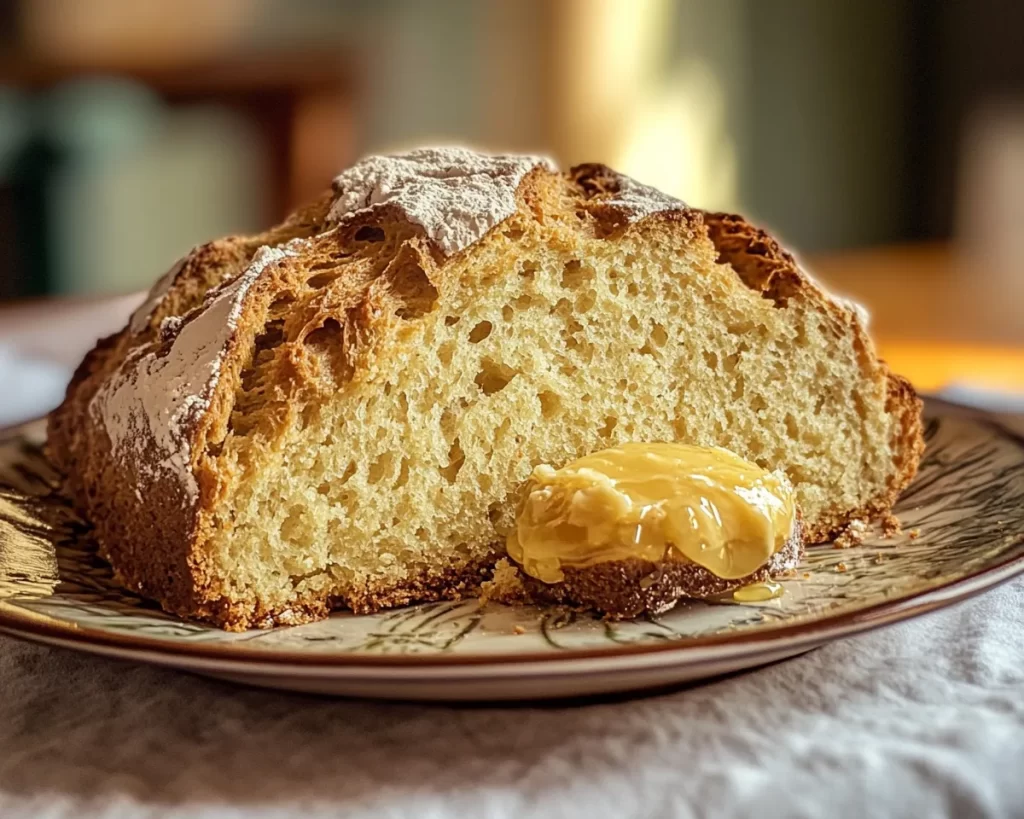
The aroma of freshly baked bread wafting through your home can instantly evoke a sense of comfort and warmth. Imagine slicing into a beautifully golden loaf of St Patrick’s Day Irish Soda Bread, its crusty exterior giving way to a tender, flavorful crumb within. This beloved Irish treat isn’t just a staple during St. Patrick’s Day; it’s a joyful celebration of simplicity, tradition, and the happiness that good food brings to our lives. With each bite, you’ll experience the delightful balance of earthy flavors paired with a touch of sweetness, thanks to the honey butter that accompanies it.
This recipe is special not only due to its rich history but also because it requires minimal ingredients and effort. You’ll learn how to create a soft, buttery soda bread that perfectly complements cozy family gatherings or casual get-togethers with friends. Let’s dive into the world of Irish soda bread, its delicious variations, and tips to ensure your baking journey is both enjoyable and successful.
What Is St Patrick’s Day Irish Soda Bread with Honey Butter?
St Patrick’s Day Irish Soda Bread is more than just a recipe; it represents a deep-rooted tradition in Irish culture that dates back to the 19th century. This particular bread is unique because it does not require yeast, making it a quick and easy option for home bakers. Instead, it gets its leavening power from baking soda, which reacts with buttermilk to create a light and airy texture. The result is a crisp, golden crust with a soft and tender inside, perfect for slathering with luscious honey butter.
The flavor profile is fantastic, showcasing the subtle sweetness of the buttermilk combined with the rich, earthy notes of whole wheat flour. For many, baking Irish soda bread evokes cherished memories of family gatherings, where loaf after loaf would disappear around the dinner table. The delightful crunch of the crust and the moist interior make it a true comfort food. Plus, it’s versatile enough to enjoy with savory stews, alongside a morning coffee, or as a delightful afternoon snack.
Why You’ll Love This
If you’re looking for a recipe that’s both delicious and simple, this St Patrick’s Day Irish Soda Bread checks all the boxes. It’s not only easy to prepare—with no kneading required—but it also uses pantry staples that you likely already have on hand. This means you don’t need to hunt for specialty ingredients, making it a perfect choice for busy parents or beginners in the kitchen.
When you take your first bite, you’ll appreciate the complexity of flavor that comes from just a few basic items. Unlike other bread, which can take hours to rise, soda bread can be mixed and baked in under an hour, making it a wonderful option for last-minute gatherings. Many people mistakenly believe that bread-making is an arduous process, but with this recipe, you can confidently create a homemade bread that impresses family and friends without significant effort. It’s a delightful journey that anyone can embark on!
Ingredients You’ll Need
- All-Purpose Flour: This is the primary ingredient and provides structure to the bread. You can substitute with whole wheat flour for a nuttier flavor.
- Whole Wheat Flour: Adds a lovely depth of flavor and texture. It can be fully replaced with all-purpose flour if desired.
- Baking Soda: The leavening agent that helps the bread rise without yeast.
- Salt: Enhances flavor and balances the sweetness.
- Buttermilk: Reacts with baking soda to create a light texture; can also use regular milk with vinegar as a substitute.
- Honey: Adds sweetness to the butter. You can swap it out for brown sugar or maple syrup depending on your taste.
- Butter: Brings richness and flavor to the honey butter. Using unsalted butter is preferred to control salt levels.
Each ingredient plays a crucial role in achieving that perfect bite of soda bread. Understanding the function of each component helps you not only replicate this recipe but also gives you the freedom to make it your own.
How to Make
- Preheat your oven: Start by preheating your oven to 425°F (218°C). This high temperature will help create that coveted crispy crust while keeping the inside soft and tender.
- Prepare your baking sheet: Line a baking sheet with parchment paper, which prevents sticking and makes for easy cleanup later.
- Mix the dry ingredients: In a large mixing bowl, combine the all-purpose flour, whole wheat flour, baking soda, and salt. Whisk them together to ensure the baking soda is evenly distributed throughout the flour mixture.
- Add the buttermilk: Create a well in the center of the dry ingredients and pour in the buttermilk. Use a wooden spoon to gently mix until a shaggy dough forms. Avoid overmixing, as this could lead to a dense bread.
- Shape the dough: Once your dough has come together, transfer it to a floured surface. Gently knead it a few times until it holds together, but remember to keep it light—too much kneading can toughen the bread.
- Form the loaf: Shape your dough into a round loaf about 1.5 inches thick. Place it on your prepared baking sheet.
- Score the top: Using a sharp knife, make a deep cross on top of the loaf. This allows for even baking and gives the bread its signature look.
- Bake: Place your loaf in the preheated oven and bake for about 30 to 45 minutes, or until golden brown on top and sounds hollow when tapped on the bottom.
- Cool: Once baked, remove the bread from the oven and let it cool on a wire rack. While it cools, you can prepare the honey butter.
- Make the honey butter: In a small bowl, combine softened butter with honey. Mix well until smooth and creamy.
- Serve: Slice your warm soda bread and spread it with honey butter. Enjoy the delightful mix of flavors and textures with each bite!
As you follow these steps, relish the sweet aroma that fills your kitchen. This bread is not just about filling your stomach; it’s about creating lasting memories with friends and family. Each step in the process contributes to the final product’s inviting aroma, which will undoubtedly have everyone gathering around the kitchen.
Variations & Substitutions
Cheese and Herb Variation: For those who enjoy a savory twist, consider adding shredded cheese (like sharp cheddar) and finely chopped herbs (such as rosemary or thyme) to the dough. This variation not only enhances the flavor but also adds a delightful texture. It’s an ideal choice for serving alongside soups or stews, making your meal more hearty and satisfying.
Whole Grain Variation: If you want to make the bread healthier, you can increase the proportion of whole wheat flour to all-purpose flour. Additionally, consider adding seeds such as sunflower, flax, or sesame for added nutrition and a nutty flavor. This option is perfect for health-conscious individuals or anyone looking to incorporate more whole grains into their diet.
Sweet Soda Bread Variation: Try adding a touch of sweetness to your dough by incorporating dried fruits, such as raisins, cranberries, or currants. This variation is a lovely addition to breakfast or tea time, offering a delightful sweetness that pairs beautifully with cream cheese or simply more honey butter. No need for a lot of extra sugar—just the natural sweetness from the fruits is more than enough.
Gluten-Free Variation: For those following a gluten-free diet, substituting the wheat flour with a gluten-free flour blend will work wonders. Just be sure to also add a bit of xanthan gum or baking powder for stabilization, ensuring you maintain a good structure while baking. This variation allows everyone to enjoy a hearty slice of Irish soda bread, regardless of dietary restrictions.
When experimenting with variations, feel free to adjust the ingredients based on your family’s preferences and dietary needs. Each alteration offers an opportunity to create a bread that not only satisfies your taste buds but also nourishes your loved ones.
Common Mistakes to Avoid
One common mistake when baking Irish soda bread is over-mixing the dough. Remember, the gentler you are, the better your bread will turn out. If you mix too much, it can lead to a dense and tough loaf instead of the light, airy texture you desire.
Another issue arises from the lack of accurate measurements. Baking is often a science, and using too much flour or too little buttermilk can severely impact your results. Always ensure you level off measuring cups and use the correct ingredients. Additionally, skipping the step of scoring the dough can lead to uneven baking and a loaf that doesn’t rise properly.
Using expired baking soda can also be a disaster; if your bread doesn’t rise, it can leave you with a disappointing final product. Always check the expiration date before starting your baking adventure. Lastly, avoid opening the oven door too often during the first 20 minutes of baking, as this can cause your bread to collapse.
Storage, Freezing & Reheating Tips
To store your St Patrick’s Day Irish Soda Bread, wrap it in a clean kitchen towel or place it in an airtight container after it has completely cooled. This helps maintain moisture and keeps it fresh. For best results, consume the bread within 2-3 days. You can also slice it and freeze pieces for up to three months. Just make sure to wrap the slices tightly in plastic wrap or aluminum foil before placing them in a freezer bag.
When reheating, you can either pop your slices in a toaster or place them in the oven. To reheat, wrap in foil and heat at 350°F (175°C) for about 10-15 minutes. This will ensure your bread remains soft while also refreshing the crust to its original crispy state. Remember to avoid microwaving soda bread, as it can become tough and chewy rather than soft and enjoyable.
Frequently Asked Questions
Can I use regular milk instead of buttermilk?
Absolutely! If you don’t have buttermilk on hand, you can easily make a substitute. Simply add 1 tablespoon of vinegar or lemon juice to a cup of regular milk. Stir it and let it sit for about 5-10 minutes before using. This will give you a similar acidity that helps activate the baking soda.
Why is my soda bread dense?
A dense soda bread is often the result of over-mixing the dough or using too much flour. When combining the ingredients, mix just until the dough comes together. Remember, a light touch is crucial for a tender loaf!
Can I bake this bread in a different shape?
Yes, you can certainly shape the dough into rolls or a different style loaf. Just be sure to adjust the baking time accordingly, as smaller pieces may require less time in the oven. Experimenting with different shapes can also make your presentation more appealing!
How can I make my soda bread sweeter?
If you’re looking for a sweeter bread, consider adding sweeteners like brown sugar, honey, or maple syrup into the dough. Additionally, incorporating dried fruits like raisins or currants will introduce a natural sweetness, enhancing the overall flavor profile.
What do I serve with Irish soda bread?
Irish soda bread pairs beautifully with a variety of soups, stews, and salads. You can also enjoy it with spreads like butter, cream cheese, or jams. Its versatility allows it to complement numerous dishes, making it a fantastic addition to any meal.
Conclusion:
In summary, this St Patrick’s Day Irish Soda Bread with Honey Butter is a testament to the beauty of home-cooked food. Its simple ingredients, ease of preparation, and delightful taste make it a perfect recipe for any occasion. You won’t just create a loaf of bread; you’ll also build memories as you share this delicious treat with those you love. So, gather your ingredients and kick-start your baking adventure today. You won’t regret it; your taste buds will thank you! Be sure to share this recipe with friends and family to spread the joy of homemade comfort food.