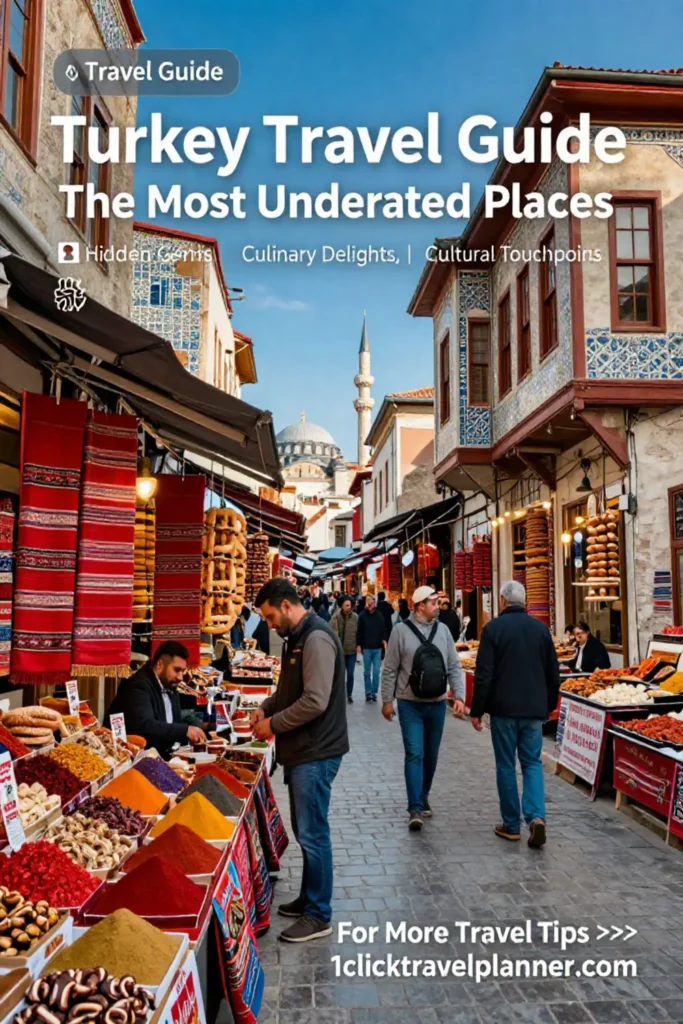
Turkey is a nation steeped in history, culture, and breathtaking landscapes. While the popular destinations often overshadow hidden gems, this travel guide focuses on the most underrated places within Turkey that deserve more attention. From ancient ruins to idyllic coasts, prepare to explore the lesser-known wonders of this remarkable country.
What Is Turkey Travel Guide 🇹🇷 The Most Underrated Places
This guide aims to unveil some of Turkey’s hidden treasures. Often overlooked by tourists flocking to major cities like Istanbul or beaches in Antalya, these spots offer a unique perspective of Turkish culture and landscape. Whether you are an adventure seeker, a history enthusiast, or someone looking to unwind, this guide will help you navigate through Turkey’s most underrated destinations.
Why Visit This Destination
Turkey is a confluence of cultures, where East meets West. Its diverse landscapes range from stunning coastlines to majestic mountains, offering a variety of experiences. By visiting these lesser-known places, travelers can enjoy a more authentic experience, interact with locals, and explore rich historical sites without the crowds. You will uncover captivating stories and breathtaking views that many tourists miss.
Best Things to Do
- Explore Ephesus: Wander through ancient ruins, including the Library of Celsus and the Great Theatre.
- Visit the Tahtali Mountain: Experience stunning views of the coastline through a cable car ride.
- Relax at Butterfly Valley: Enjoy the picturesque beach and the serene beauty of the valley.
- Discover the ancient city of Perge: Visit the well-preserved Roman ruins and ancient baths.
- Trek through the Lycian Way: Hike this beautiful route along the southwestern coast with stunning views of the sea.
Suggested Itinerary
- Day 1: Arrive in Istanbul, visit the Spice Bazaar, and enjoy a Bosphorus cruise.
- Day 2: Fly to Izmir, and explore the ancient ruins of Ephesus.
- Day 3: Head to Pamukkale, take a dip in thermal waters, and visit Hierapolis.
- Day 4: Travel to Fethiye, and explore Butterfly Valley.
- Day 5: Hike part of the Lycian Way.
- Day 6: Relax at the beaches or go paragliding from Babadağ Mountain.
- Day 7: Return to Istanbul and enjoy local cuisine.
Travel Tips
- Plan Your Transportation: Consider renting a car for flexible travel around the countryside.
- Learn Basic Turkish Phrases: Most locals appreciate attempts to speak their language.
- Dress Modestly: Especially in rural areas and when visiting religious sites.
- Stay Hydrated: Carry water with you, especially during sightseeing.
- Be Aware of Cultural Norms: Understanding local customs can enhance your experience.
Best Time to Visit
The best time to visit Turkey is during the spring (April to June) and fall (September to November). These seasons offer pleasant temperatures, fewer crowds, and striking natural beauty. Summers can be extremely hot, particularly in the southern coastal areas, while winters are cold and snowy in highland regions.
Where to Stay
Consider unique accommodations like boutique hotels in old town districts, charming coastal guesthouses, or traditional cave hotels in Cappadocia. Staying in these locales not only provides a more authentic experience but often places you within reach of major attractions.
Common Mistakes to Avoid
- Ignoring Local Cuisine: Make sure to indulge in traditional Turkish dishes; missing out on local food would be a mistake.
- Underestimating Travel Times: Distances may seem short, but travel times can be longer than expected due to road conditions.
- Not Bargaining: In markets, it’s customary to negotiate prices; failing to do so may result in overpaying.
- Rushing through Destinations: Take your time to appreciate each location instead of trying to see it all in one go.
- Ignoring Travel Advisories: Always stay informed about safety recommendations for the regions you plan to visit.
Frequently Asked Questions
- Is it safe to travel in Turkey? Yes, Turkey is generally a safe country for travelers. It is important to stay informed about regional safety, especially in certain areas.
- What currency is used? The currency used is the Turkish Lira (TRY). Credit cards are widely accepted, but it’s useful to have some cash for smaller establishments.
- Are there language barriers? While Turkish is the official language, many in popular tourist areas speak English. However, learning a few basic phrases can enhance your experience.
- Should I tip? Tipping is appreciated, generally around 10-15% in restaurants and for service providers.
- What should I wear? Dress modestly, especially when visiting religious sites. Comfortable feet are also important for exploring ancient ruins.
Conclusion: Turkey’s underrated destinations offer a wealth of experiences waiting to be explored. By venturing beyond the beaten path, you can uncover hidden gems, connect with diverse cultures, and create lifelong memories. Prepare for an adventure that transcends the commonplace and showcases the true essence of Turkey.