Prep time: 30 minutes
Cook time: 30 minutes
Total time: 1 hour
Servings: 12 slices
When it comes to homemade bread, there’s something truly special about the aroma that fills your kitchen. This Vegan-Friendly Amish White Bread is a heartwarming recipe that will not only satisfy your taste buds but also provide a comforting backdrop for your meals. Whether you’re slathering it with your favorite vegan butter or using it for sandwiches, this bread is versatile, easy to make, and comforting.
What Is Vegan-Friendly Amish White Bread?
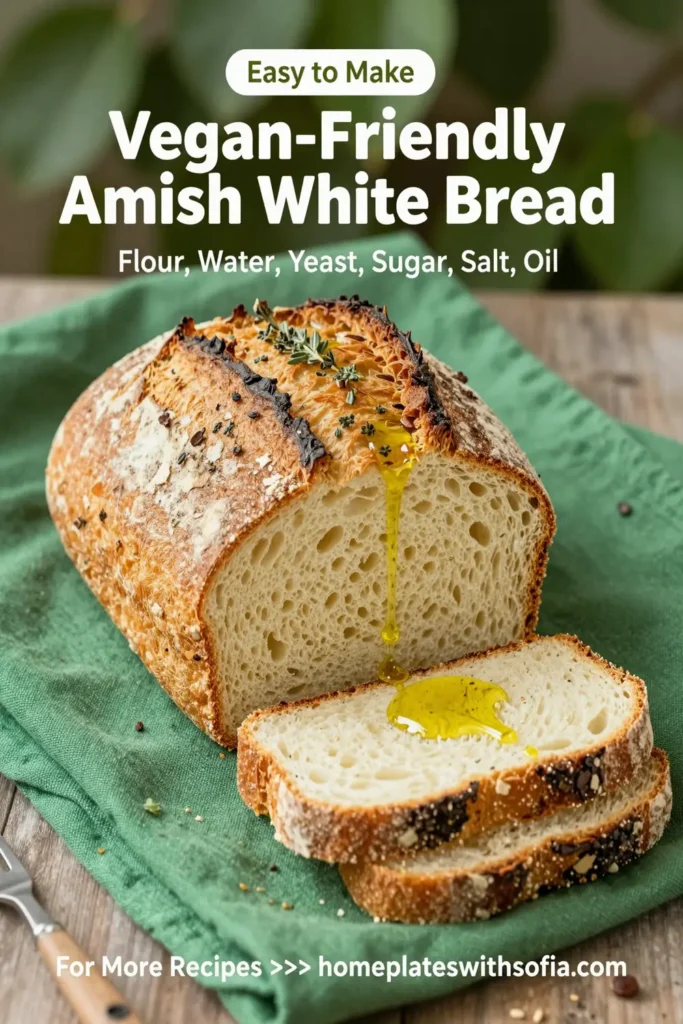
Vegan-Friendly Amish White Bread is a delightful, fluffy loaf that is free from animal products, making it perfect for those who follow a vegan lifestyle. Traditionally, Amish bread is known for its rich texture and soft crumb, making it a beloved staple in many homes. This vegan version maintains that signature softness and delicious flavor, while utilizing plant-based ingredients, ensuring everyone can enjoy the warmth of freshly baked bread without compromising their dietary choices. You may also find this bread’s simplicity refreshing—no elaborate techniques are necessary, just basic ingredients that come together beautifully.
Why You’ll Love This
This bread is a fantastic choice for busy families, beginners in the kitchen, or anyone looking to dip their toes into homemade baking. One of the best aspects of this recipe is that it requires minimal effort and ingredients while delivering maximum flavor. The texture is light and airy, providing a wonderful contrast to hearty spreads and toppings. Plus, it is a great way to bring everyone around the table and share warm slices straight from the oven—it might just become a cherished family tradition!
Ingredients You’ll Need
- 3 cups all-purpose flour: This forms the base of your bread, giving it that classic soft texture.
- 1 packet active dry yeast (2 ¼ teaspoons): Essential for leavening the bread and ensuring it rises properly.
- 1 tablespoon sugar: Helps to feed the yeast and adds a subtle sweetness.
- 1 teaspoon salt: Enhances flavor and controls yeast activity.
- 1 cup warm water (about 110°F): The warmth activates the yeast for that lovely rise.
- 2 tablespoons vegetable oil: Adds moisture and richness to the bread.

How to Make
- In a large mixing bowl, combine 1 cup of warm water with 1 tablespoon of sugar and the packet of active dry yeast. Allow it to sit for about 5 to 10 minutes, or until it becomes frothy. This indicates that the yeast is activated.
- Once the yeast mixture is frothy, add 2 tablespoons of vegetable oil and 1 teaspoon of salt. Mix well to combine.
- Gradually add in the 3 cups of all-purpose flour, one cup at a time, stirring with a wooden spoon or spatula. The dough should start to pull away from the sides of the bowl as you incorporate the flour.
- After the mixture is combined, turn it out onto a lightly floured surface. Knead the bread for about 8 to 10 minutes, until it feels smooth and elastic. Remember, the more you knead, the better the texture will be!
- Place the kneaded dough into a greased bowl, cover it with a clean kitchen towel, and let it rise in a warm spot for about 1 hour, or until it has doubled in size.
- Once the dough has risen, punch it down to release some of the air that has built up. Shape it into a loaf and place it into a greased 9×5 inch loaf pan.
- Cover the loaf pan with the kitchen towel again and let it rise for an additional 30 minutes.
- Preheat your oven to 350°F (175°C). Once the dough has risen once more, place it in the oven and bake for 30 minutes or until the top is golden brown and the bread sounds hollow when tapped.
- Remove the bread from the oven and allow it to cool in the pan for about 10 minutes before transferring it to a cooling rack to cool completely.
Variations & Substitutions
Herb-Infused Amish White Bread: If you’re looking to change it up, consider adding some dried herbs like thyme, rosemary, or oregano into the dough. This can add a savory flavor profile that pairs well with a variety of dishes. Simply add about 1-2 teaspoons of your chosen herbs when you’re mixing in the flour. The aroma while baking will be truly irresistible, and the hint of herbiness will enhance your meals.
Gluten-Free Version: For those with gluten sensitivities, you can substitute the all-purpose flour with a gluten-free flour blend. Ensure that your blend contains xanthan gum for the right texture. The process remains nearly identical—make sure to adjust your rise times slightly, as gluten-free dough may not rise in the same manner as traditional flour. Check the texture during the kneading process; you might need to add a little more liquid if the dough feels too dry.
Whole Wheat Bread: If you prefer a healthier option, substitute half or all of the all-purpose flour with whole wheat flour. This will add more nutrients and fiber but may require a bit more water to achieve the right consistency. Whole wheat flour holds more moisture, so adjust as needed. The resulting loaf will have a nuttier flavor and heartier texture while still remaining soft and fluffy.
Common Mistakes to Avoid
Be mindful of yeast temperatures; it should never be too hot or too cold. Using water that is too hot can kill the yeast, preventing the bread from rising. A temperature around 110°F (43°C) is optimal to activate the yeast.
Another common pitfall is not allowing the dough to rise sufficiently. Bread needs adequate time to develop its structure, so patience is essential. Skipping this step may lead to a dense loaf rather than the light, fluffy texture you’re after.
Also, avoid adding too much flour while kneading. Your instinct might be to do so to prevent sticking, but adding too much will yield a drier dough. It’s best to keep your work surface lightly floured instead.
Storage, Freezing & Reheating Tips
Once your Vegan-Friendly Amish White Bread has cooled completely, it can be stored in an airtight container at room temperature for up to 3 days. To keep it fresh longer, consider wrapping it in plastic wrap and then aluminum foil to maintain moisture.
For longer-term storage, you can freeze the bread. Slice it before freezing for convenience; this way, you can take out just what you need. To freeze, place the slices in a single layer on a baking sheet until solid, then transfer them to a resealable freezer bag. This will help avoid freezer burn. When you’re ready to enjoy, simply reheat in the oven or toaster until warmed through.
Frequently Asked Questions
Can I use whole wheat flour instead of all-purpose flour?
Yes, you can use whole wheat flour for a healthier option. This will create a denser loaf, so ensure to adjust the liquid ingredients accordingly as whole wheat flour absorbs more moisture than all-purpose flour. Experimenting with a blend of both flours can yield a balanced texture.
Why didn’t my bread rise?
If your bread didn’t rise, there could be a few reasons. The yeast may have been expired or activated at an incorrect temperature. Always ensure your yeast is fresh and that the water is warm enough to activate it but not so hot that it kills it.
How can I tell if my bread is fully baked?
A great way to check is to tap the bottom of the loaf after baking. If it sounds hollow, it’s baked through. Another method is to use a food thermometer; a fully baked bread reaches an internal temperature of around 190°F (88°C).
How do I enhance the flavor of the bread?
To enhance the flavor, you can incorporate ingredients such as garlic powder, onion powder, or even a mix of seeds like sesame or poppy seed on top before baking. These add both taste and a lovely visual appeal!
Can I double this recipe?
Absolutely! This recipe is perfect for doubling. Just ensure you have a large enough mixing bowl and two loaf pans for baking. If you’re making multiple loaves, be aware that they may require slightly longer baking time, so be sure to check for doneness.
Conclusion: This Vegan-Friendly Amish White Bread is an easy, satisfying, and wholesome recipe that your entire family can enjoy. Whether you’re preparing it for a casual breakfast or as a side for dinner, this bread provides a fantastic foundation for many delicious meals. Enjoy exploring various variations and make this recipe your own! Simple, hearty, and full of flavor, this bread is a must-try in your kitchen.